
2027 Speakers
-
 Alan Wolfzahn
Alan Wolfzahn
Alan Wolfzahn was born in Casablanca, Morocco and came to Brooklyn, New York with his mother when he was two years old. This experience of being an immigrant has given Alan a clear perspective on the importance of immigration and the idea of freedom. Alan's mother, Lili, was from Casablanca and met Alan's father (Siegmund), who had escaped Vienna, Austria in 1938 because he was a Jew, after World War ll.
When World War II began, Siegmund Wolfzahn, had joined the French Army in 1939 and fought with the French Foriegn Legion during the war. He fought the Japanese in IndoChina (now Vietnam) and was a prisoner of war of the Japanese.
This sense of being an outsider, an immigrant, has informed Alan's sense of what injustice in all of it's manifistations has on a society. As Dr. Martin Luther King, Jr had so eloquently noted; "Injustice anywhere is a treat to justice everywhere."
Alan grew up in the 1950's in Brooklyn, New York and later in Queens, New York and went to Forest Hills High School. After high school Alan tried his hand at college and after two years got into his car and drove away. Alan has had varied experiences working as a backstage hand, in his mid-twenties, for Circle Repertory Theater, then as an actor, with one line, in the Off-Broadway production of HOT L Baltimore by Landford Wilson and directed by Marshall W. Mason. After that Alan lived and worked at different jobs in Greenwich Village and in the late '70's embarked on a series of travels first to Los Angeles then Israel, and London, England. And crossed the country twice and went on a 12,000 mile trip around the country in a used Class A Camper.
After coming back to New York for a few years Alan decided to study at The French Culinary Institute in Manhattan to become a chef. With this new skill Alan went on the road, for almost ten years, working from Maine to Wyoming.
Alan came to Bard College on August 13, 1999. It was here at Bard that Alan found his home (after decades of searching). This past May Alan finished his first year in the BardBac Program (Cohort #6). In so doing Alan has changed the narrative of his story. Alan's primary focus will be in playwriting. Going back to college has given Alan the chance to realize his inner calling - that of a writer.
Alan lives in southern Columbia County where he bought his home in 2003. -
 Alexandria Thomas
Alexandria Thomas
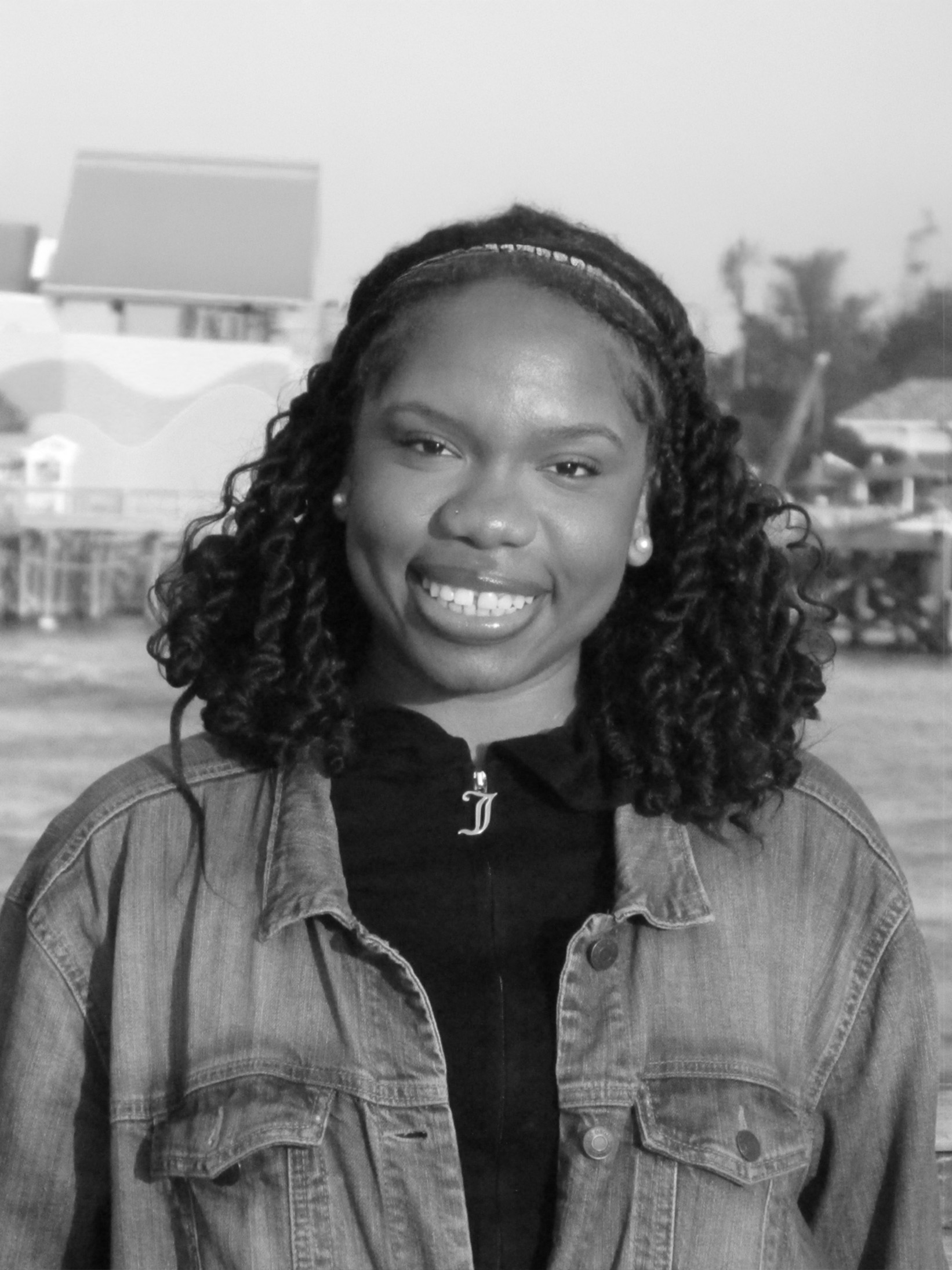
Alexandria is a senior biochemistry major at Bard College. She has been in the Bard network for 7 years attending the Bard Early College High School. Throughout her time at Bard, Alexandria has been immersed in the world of chemistry through much research and lab work and was recognized as a Pinkerton Science Scholar in 2023. Her talk focuses on exploring the bias and underrepresentation in scientific research. These biases have historically been present in many findings or lack thereof. By connecting past injustices to present-day research practices, she challenges audiences to think about who benefits from scientific advancement and whose experiences are overlooked. Later in her career, she aspires to obtain an MD-PhD and study research topics that have a lack of resources and funding, but large impact on communities and bring awareness to equity in research.
-
 Ayana Fernandes Pilgrim
Ayana Fernandes Pilgrim
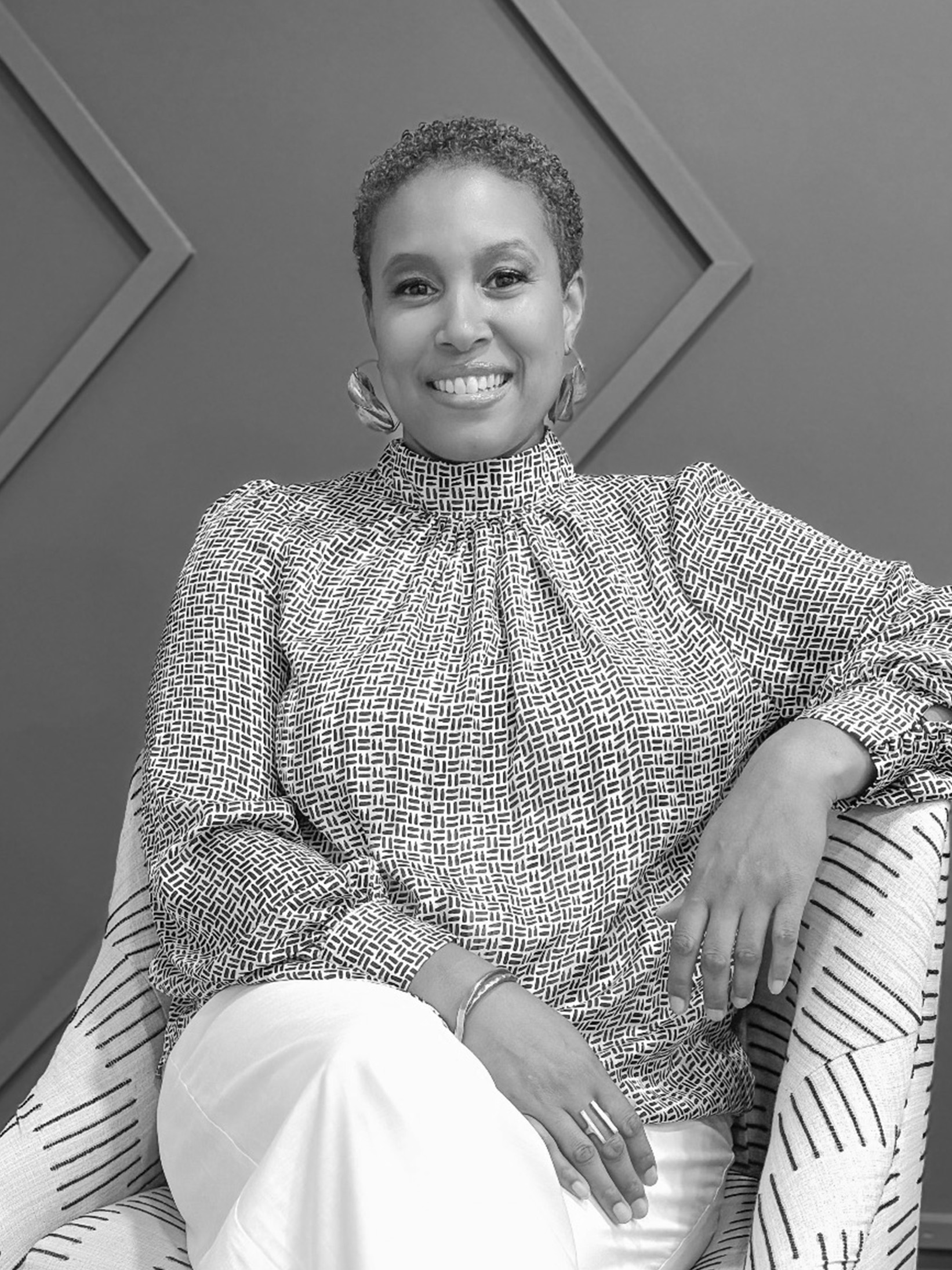
Ayana Fernandes Pilgrim is a Career & Life Transformation coach, educator, talent strategist, and Founder & CEO of The Talent Cornerstone Co. With more than 20 years of experience leading global talent and recruiting initiatives for organizations including Bank of America, Pfizer, Cigna and Vanguard, she has spent her career helping people and institutions navigate change, opportunity, and transformation.
Ayana currently serves as Visiting Faculty and Career Advisor for the Graduate Programs in Sustainability at Bard College, where she teaches and coaches emerging leaders at the intersection of work, purpose, leadership, and systems change. Her work focuses on helping individuals and organizations prepare for the future of work grounded by what she calls "old technology and new technology."
In her TEDx talk, Ayana challenges the prevailing narrative that workforce disruption, artificial intelligence, and economic uncertainty signal the death of work. Instead, she argues that humanity is living through a profound period of transformation- a collective birthing process which positions the future of jobs as not simply about adding more credentials or capabilities, but remembering and reapplying timeless legacies. Drawing from her expertise in talent strategy, career development, and organizational change, she offers a hopeful framework for navigating this moment of transition.
As the daughter of an immigrant family, Ayana brings a distinctive perspective informed by her faith and African Indigenous ways of knowing. She believes that many of the capabilities needed for the future are not entirely new, but are rooted in enduring human gifts that have traveled through generations. Her work invites audiences to consider how ancestral intelligence and emerging technologies can work together to shape a more human-centered future.
Through her teaching, coaching, and speaking, Ayana helps people move beyond fear-based narratives and toward a vision of hope, renewal, and possibility. She believes the future of work and inclusion will depend not only on what humanity must learn, but also about what it must remember. -
 Desirée Lyle
Desirée Lyle
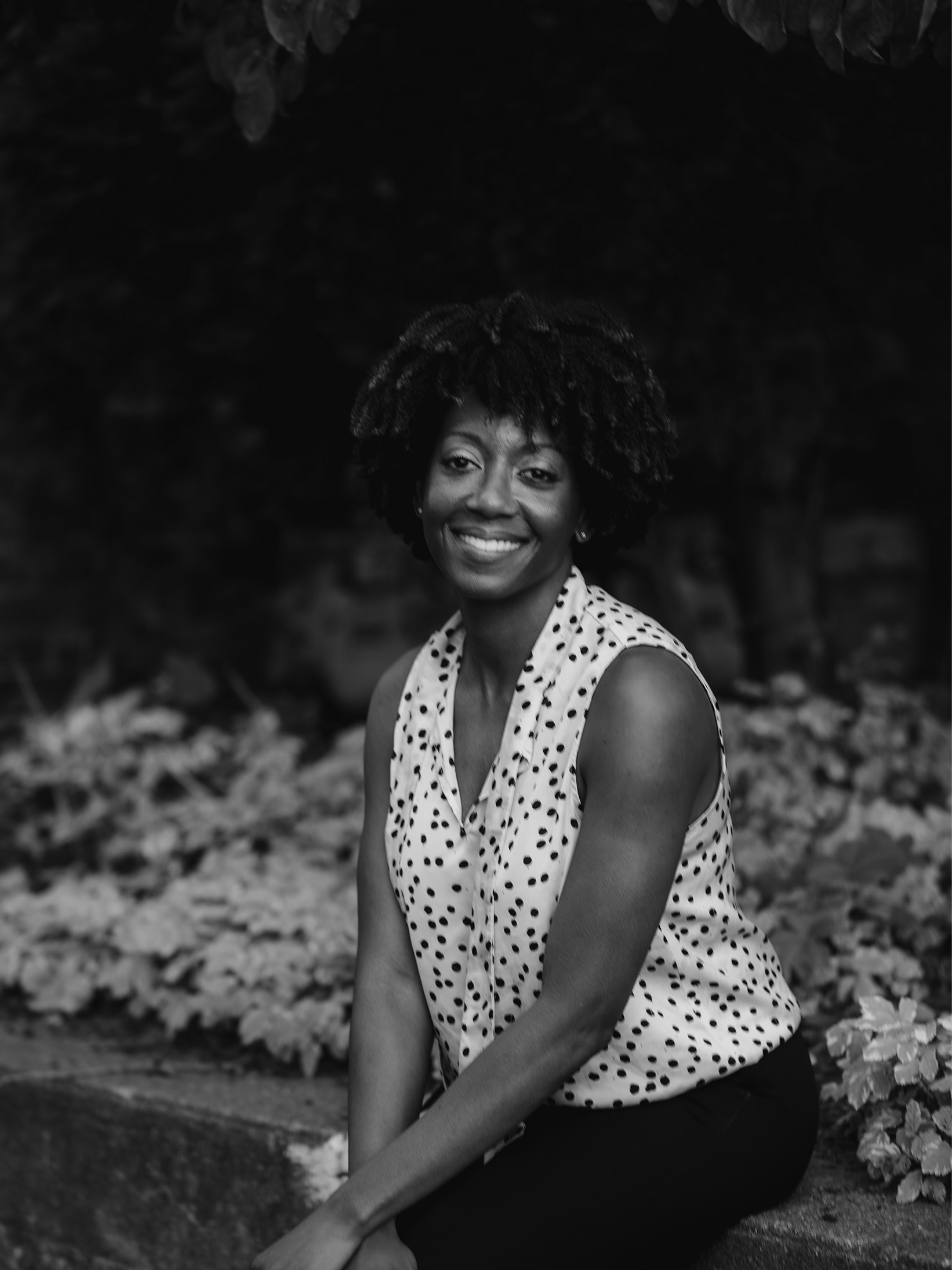
Desirée Lyle is the Program Director at Bard College’s Center for Environmental Sciences and Humanities (CESH), where she leads community-based air, water and soil research programming. Four years before coming to Bard full time, she was a building science consultant and educator and was introduced CESH through her affordable housing and environmental justice advocacy as a founding member of the Hudson Valley Air Quality Coalition (HVAQ).
Through her work at CESH, she helps community groups conduct environmental monitoring and engage in public policy actions and strengthen trust between residents, scientists, researchers, governments and institutions. She still provides regular institutional support to HVAQ has been helped grow the Hudson Valley Library Network into the Hudson Valley Community Air Network (HVCAN), which partners with libraries, schools, and residents to address major gaps in local air monitoring infrastructure and local, publicly-available air quality data and alerts.
She also oversees the Community Sciences Lab (CSL), where she works with students, staff, faculty, and community members in environmental sampling, data interpretation, and collaborative research practices.
Outside of her work at Bard she has been a consist volunteer with various programs throughout the region centering sustainable and affordable jobs and housing for all.
Desirée is presenting with her colleague at the CSL. Together, their TEDx talk explores the relationship between community, science, and trust—and how participatory research can empower communities to shape healthier, more equitable futures. -
 Emily Lorelai O’Rourke
Emily Lorelai O’Rourke
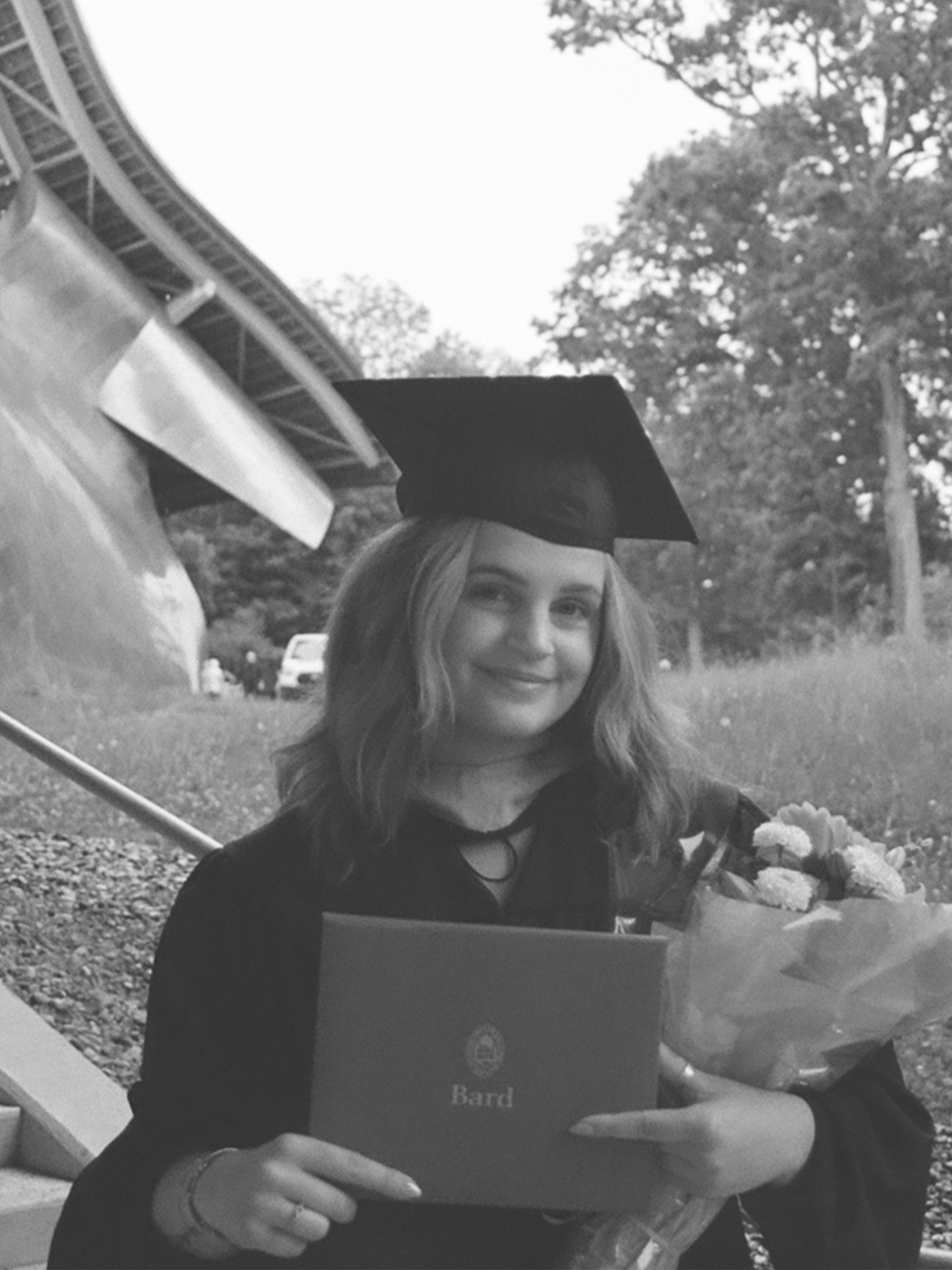
Emily O’Rourke (B.A. ’25, M.A.T. ’26) is a Bard College alumna originally from Houston, TX and now based in New York’s Hudson Valley. She studied Anthropology at Bard and earned a Certificate in Civic Engagement, where her work centered on questions of community, belonging, and what it means to stay connected in a world increasingly shaped by politics and division. Her undergraduate senior project explored civic engagement and deepened her interest in how people build and sustain meaningful community across difference.
Emily recently completed her Master of Arts in Teaching at Bard, where she continued exploring anthropology and civic life through the lens of social studies education and pedagogy. She is passionate about teaching and believes teachers play a fundamental role in shaping communities, creating spaces for dialogue, and helping students think critically about the world around them. Her graduate thesis examined the Salem witch trials and pedagogical approaches to teaching the trials through conversations about gender, race, identity, and law.
At TEDx Bard, Emily will speak alongside her friend Wyland Stephenson about friendship and community in the digital age. Together, they will explore what friendship looks like in an era of constant connection, the ways boundaries are negotiated online and offline, and what it means to inconvenience yourself for the people you care about. Their talk invites audiences to think about friendship as an intentional practice of showing up for one another and building community in an increasingly disconnected world. -
 Erin Cannan
Erin Cannan
As Managing Director for Bard's Center for Civic Engagement (CCE), Erin works with the CCE team to make the link between the liberal arts, civic engagement and work through strong community partnerships and programming that incorporates Bard's vast network including Hudson Valley based organizations and the over 20 GHEA21 international campus partners. As an inaugural staff member of Bard's Center for Civic Engagement (CCE), she supervised the launch of a variety of initiatives, including BardWorks careers conference, Science Outreach, the Martin Luther King Jr. Day of Engagement, the Community Action Internship Award, Election@Bard, and the Engaged Liberal Arts and Sciences (ELAS) program.
For over 14 years, Erin has facilitated the annual Get Engaged international student community leadership conference that includes over 600 student alums from 30 countries. She supervises the global Civic Engagement Initiative responsible for a year-long Global Engagement Fellows program and academic Civic Engagement Certificate program. She teaches a variety of civic engagement and leadership courses. The emphasis in her work across the network is to help communities, students, faculty and institutions harness resources to develop the capacity to respond to urgent social needs.
Erin joined the Center staff after 15 years in the Division of Student Affairs at Bard where she served as Vice President for Student Affairs and Dean of Students. Her background in student affairs motivates her to connect the liberal arts and sciences with civic engagement to promote student well-being, learning and skill-building.
-
 Isaiah Smith
Isaiah Smith
Isaiah Smith is a graduate of Bard College, where he earned his B.A. in Mathematics, and is now beginning the Bard MBA in Sustainability program. He began his academic journey in mathematics through the Bard Prison Initiative, an experience that shaped both his educational path and his perspective on transformation, opportunity, and access to learning. Isaiah is also a BPI Educational Fellow ’26 and a participant in the NSF Research Experience for Undergraduates Program at Yale University for 2026.
His academic interests include mathematical modeling, sustainability, infrastructure systems, and educational equity. As an undergraduate, his research explored how mathematical and network models can be used to better understand the structure and reliability of electric power grid systems, connecting mathematics to real-world social and environmental challenges.
Beyond his research, Isaiah has worked as a tutor and mentor with the Bard Microcolleges and Bard Prison Initiative, supporting students in mathematics, writing, and academic development. Drawing from both his professional and lived experiences, his work is grounded in the belief that education can transform how people see themselves, their abilities, and their future opportunities.
Through his talk, Isaiah hopes to contribute to conversations about transformation, opportunity, and the importance of changing the narratives that shape how people and communities are understood. -
 J. Renay Loper
J. Renay Loper
J. Renay Loper is an educator and impact strategist who centers people as the engine of systems change. She is Clinical Faculty in the Bard MBA in Sustainability, where she teaches the full organizational leadership sequence — from personal leadership development to leading change to building sustainable organizations. She also serves as Adjunct Professor at NYU Wagner’s Executive Master of Public Administration program, teaching Leadership Confronted. At both institutions, her work rests on a single conviction: that developing leaders requires understanding what actually changes them.
Renay brings 25 years of cross-sector experience to that question. As Vice President of Program Innovation at PYXERA Global, she advised multinational corporations — including Levi Strauss, GlaxoSmithKline, NBCUniversal, Pfizer, and Moody’s — on leveraging their core business toward social impact, leading teams across five country offices and implementing initiatives across Southeast Asia, Latin America, Europe, and the United States. She has facilitated sessions at the United Nations and the U.S. Department of State, and has lived and worked in Japan and Greece — experiences that became laboratories for understanding how disorientation, navigated with intention, builds the capacities that sustained systems change requires.
Her published work includes invited chapters in Breakthroughs in Sustainable Business Education and People Economics: Defining and Measuring the True Value of Human Capital, and she co-edited a special issue of New Directions in Student Services on international student inclusion. She hosts Through the Noise with J. Renay, podcasts at the intersection of leadership, systems change, and the questions practitioners most need to sit with.
Her TEDx talk challenges the dominant narrative of leadership — one that prizes certainty, positional authority, and unwavering vision — and replaces it with something harder to teach and more honest: the leaders capable of participating in systems change are those who have first been changed by the world. Drawing on lived experience and decades of cross-sector practice, Renay argues that shifting the outer narrative of leadership demands we take seriously the inner capacities that disorientation forges — and that we stop treating disruption as something leaders must overcome rather than something that develops them.
Renay currently serves on the boards of Community Change, HATCH, and the Obirin Gakuen Foundation of America. -
 Jonathan Becker
Jonathan Becker
Jonathan Becker is the Executive Vice President and Vice President for Academic Affairs at Bard College where he is also a Professor of Politics and Director of the Center for Civic Engagement. He also serves as the Vice Chancellor of the Global Higher Education Network for the 21st Century. He, and oversees Bard’s global partnerships, including its degree-granting programs, including with the American University of Central Asia (Kyrgyzstan), Al-Quds University (Palestine), Bard College Berlin, as well as Bard’s programs with institutions in exile, including the American University of Afghanistan, Parami University (Myanmar), and Smolny Beyond Borders (Russia). He has written extensively on liberal education, civic engagement, and media and politics. Recent publications include: Youth Voting Rights: Civil Rights, the Twenty-Sixth Amendment, and the Fight for American Democracy on College Campuses (De Gruyter 2026) and short articles in places like The Nation; Talking Points Memo; Inside Higher Ed; Forbes; and The Times Higher; Jonathan Becker and Zarlasht Sarmast, “Civic Engagement and Displaced Students,” Internationalisation of Higher Education, Volume 12, September 2025, no. 2; “Deeds, Not Words: The push for university neutrality harms education and society,” Liberal Education, May 2024; “The Global Liberal Arts Challenge;” Ethics and International Affairs, Fall 2022. He holds a BA from McGill University and a D.Phil from University of Oxford.
-
 Lilly Griffin
Lilly Griffin
Lilly Griffin is a biologist, environmental steward, and musician who grew up on Long Island and currently lives in Kingston, NY. She graduated from Binghamton University in 2022 with a BS in Biology, and has been working in the Hudson River Watershed for the past three years to improve water quality and work with community members to improve their local environment. She currently continues this work as a Community Sciences Lab Technician at the Center for Environmental Studies and Humanities at Bard. Lilly looks forward to combining her interests in art, community, and science to build a healthier future.
-
 Mariia Kondratiuk
Mariia Kondratiuk
A Ukrainian Bard College student covering the lived and research experiences related to trauma healing. The culture of positivity now often affects survivors negatively because it creates unrealistic standards of full recovery and doesn’t take individual differences in account. Psychological support and therapy organisations in Ukraine are faced with the need to work through an unsafe environment, contrary to the usual post-trauma suggested methods since the country is continuously affected by wartime and social crisis. The talk will reveal findings from Razom with You, United Help Ukraine and other NGOs in developing realistic and human-centered approaches. The results can be applied to vast majority of life circumstances outside of war.
-
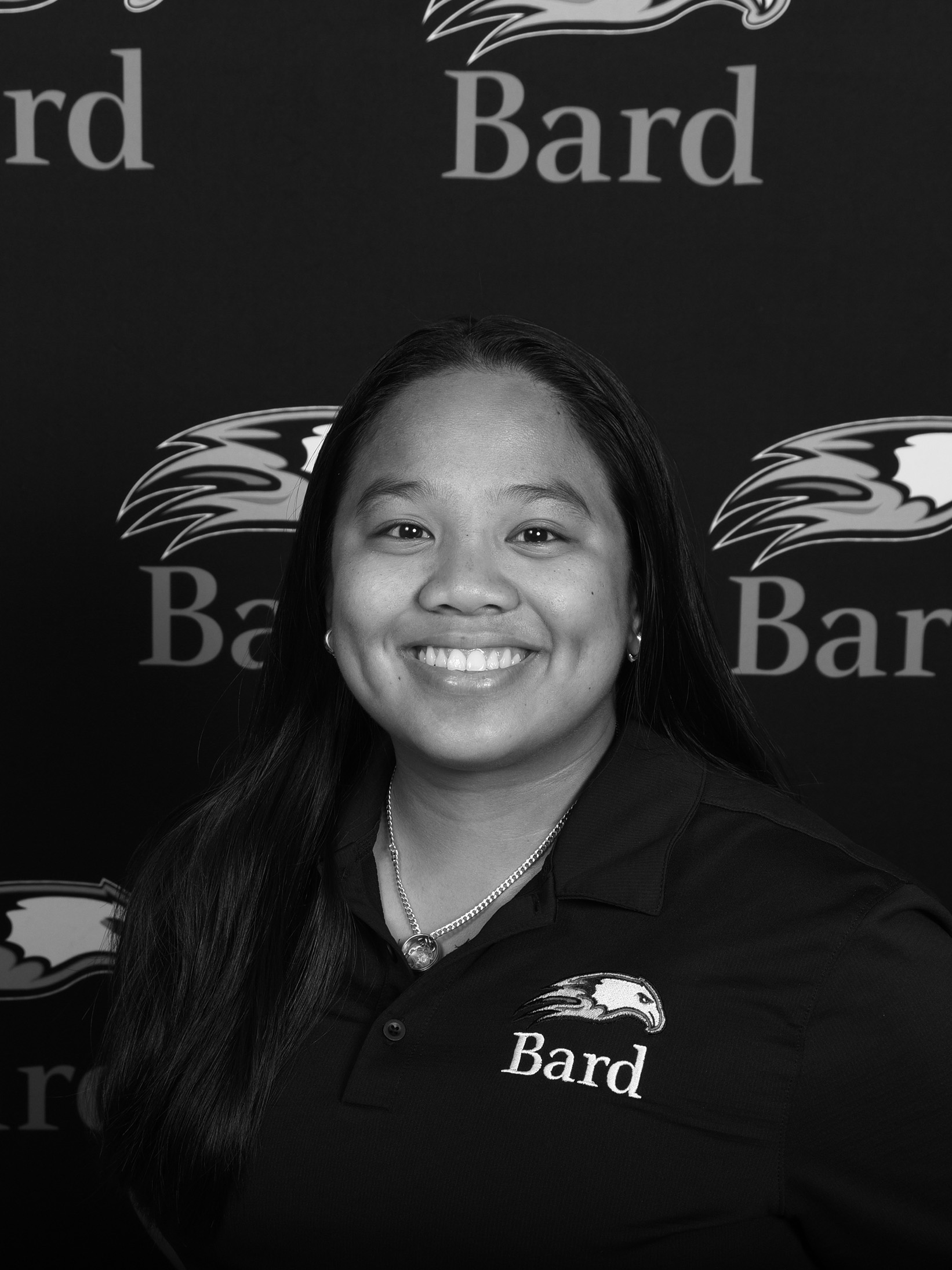 Pearllan Cipriano
Pearllan Cipriano
Pearllan Cipriano is the Sports Information Director at Bard, where she leads athletic communications, digital storytelling, and social media strategy for the Athletic Department. Since joining the department in 2023, Cipriano has helped expand Bard Athletics' visibility and engagement through creative content, student-athlete features, photography, video storytelling, and enhanced digital coverage across multiple platforms. In 2024, she was recognized as one of College Sports Communicators (CSC )’s “30 Under 30,” honoring emerging professionals in athletic communications and digital media.
As a woman of color and part of the LGBTQ+ community working in a field that has historically been white- and male-dominated, Cipriano’s work centers on the power of storytelling and representation in sports. Her work goes beyond the stereotypes and statistics to highlight student-athletes as multidimensional people, scholars, leaders, and members of broader communities. Drawing from her lived experience as a student-athlete and professional work, she explores how the stories shared by media professionals shape public perception, institutional culture, and the legacy of athletes both on and off the field.
Before joining Bard, Cipriano worked at Shippensburg University, where she served as a sports information graduate assistant and helped oversee social media strategy and event coverage for numerous National Championship athletic programs.
Cipriano has been involved with initiatives focused on diversity, inclusion, and LGBTQ+ representation within athletics communications. She is a founding member of CSC Pride and serves on the D3SIDA Board and the CSC Young Professionals Committee. Her talk reflects both her professional experience and lived perspective, offering insight into the power of intentional storytelling and the importance of representation in collegiate athletics.
Cipriano has spoken in multiple convention panels for CSC and NCAA. Most recently was the NCAA Inclusion Forum focusing on “Narratives That Move: Building Athletics Cultures Through Storytelling.” The panel focuses on how communications and creative storytelling can play a pivotal role in creating meaningful impact within athletic departments and sharing the importance of centering stories about student-athletes, coaches, and administrators to strengthen internal and external communities.
-
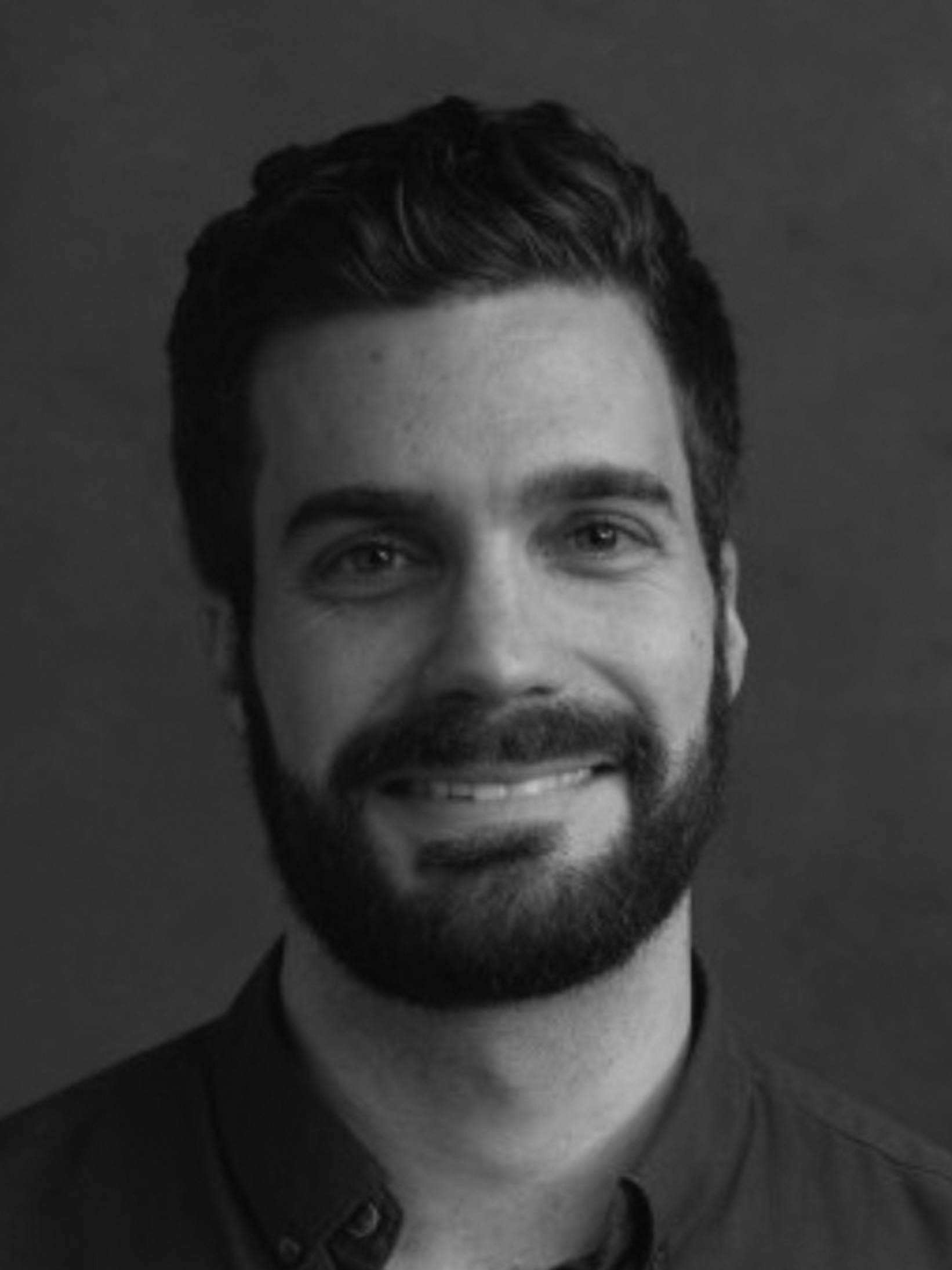 Philip Lindsay
Philip Lindsay
Philip Lindsay is the Director of the Democracy Innovation Hub at the Hannah Arendt Center for Politics and Humanities at Bard College. Over the past five years, the Hub has hosted multiple national gatherings for advocates and practitioners of sortition and citizens' assemblies in the United States. These gatherings introduced the concept of sortition to dozens of elected officials and public servants, and led to the first major use of sortition in New York City in 2023, among other projects. Philip organizes the “Democracy Innovation Academy," a free monthly online webinar, as well as a teacher fellowship program which trains educators on how to bring deliberative democracy into the classroom. You can reach him at [email protected]
-
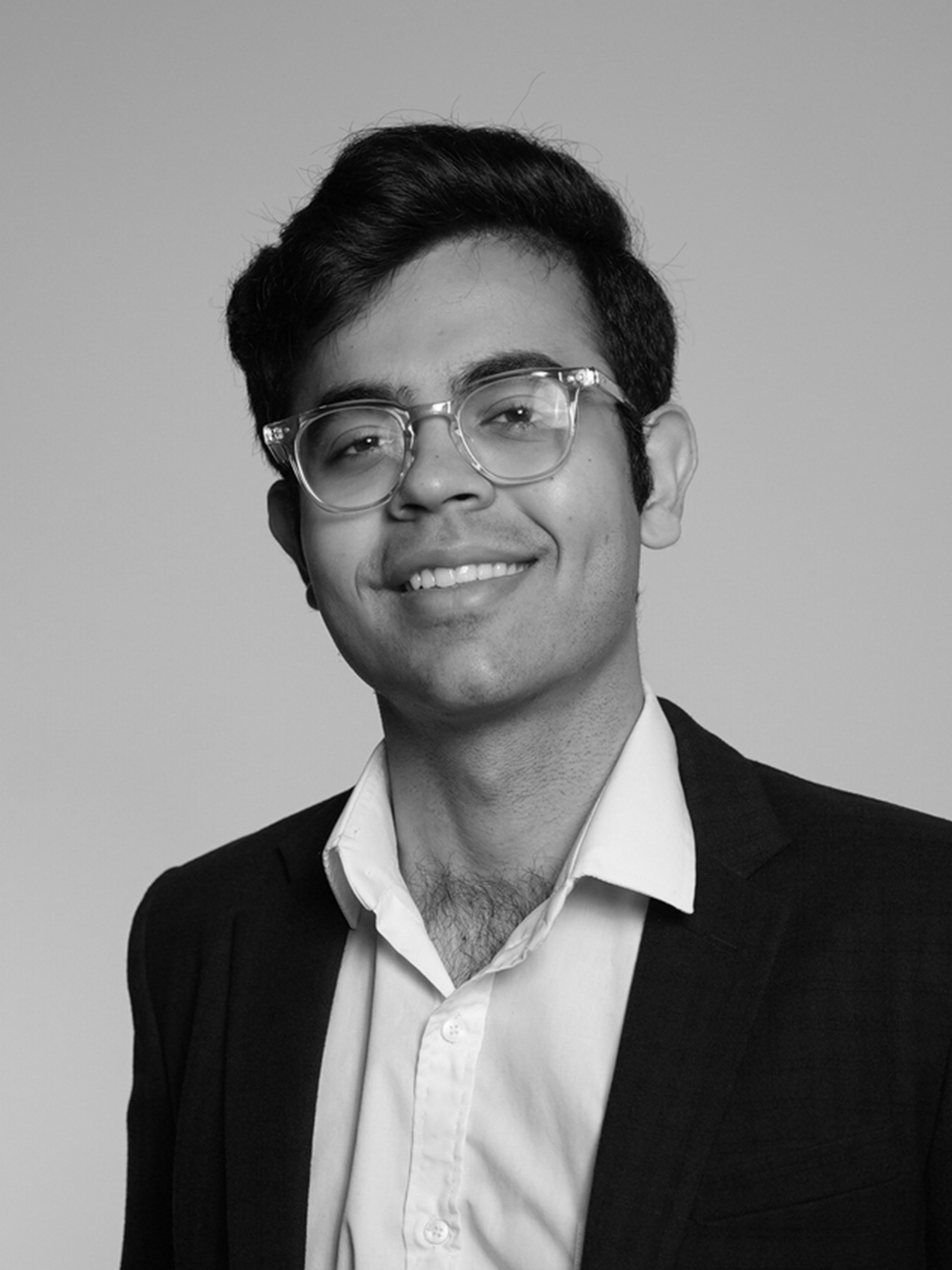 Vishal Parkash
Vishal Parkash
Vishal Parkash is a junior at Bard College pursuing a dual degree in Finance and Economics alongside Mathematics. His work explores how financial systems shape access, opportunity, and economic inclusion across communities spanning Pakistan, Germany, Africa and the US.
At Bard, Vishal focuses on turning academic ideas into applied community impact. He serves as Chair of the Fiscal Committee in student government, where he oversees nearly half a million dollars in student allocations, and as a Lead Civic Ambassador at Bard’s Center for Civic Engagement and a TLS Scholar. Through this work, he is developing the Social Impact Incubator — a mentorship and entrepreneurship initiative designed to help students, particularly those without inherited networks or institutional access, transform ideas into sustainable projects and ventures. Alongside his work at Bard, Vishal is the Co-President and Program Director of REM and Company, a global student-run consulting organization connecting young consultants with startups, nonprofits, and mission-driven organizations around the world.
Vishal’s interest in financial inclusion began early. In high school, he served as CEO of Nixor Financial Services, one of Pakistan’s first student-run financial institutions. There, he led a team of 15 students in creating interest-free microloan programs, peer-led financial education workshops, and investment simulations for high school students. Under his leadership, the organization issued more than 100 interest-free loans to low-income students, launched a “Budget for Impact” curriculum, and organized investment competitions reaching over 400 participants. He also helped build Pakistan’s first student-run e-wallet system, SUIT, which processed transactions exceeding one million PKR, as well as the Nixor Stock Exchange, a student-led investment simulation platform serving more than 2,000 students.
Beyond Bard, Vishal has led financial literacy, entrepreneurship, and economic empowerment initiatives across multiple regions. He is also the founder of six youth-led nonprofit and social impact initiatives focused on improving the lives of marginalized communities across lines of class, ethnicity, gender, disability, and religion. Through these initiatives, his work has ranged from financial literacy and entrepreneurship training to educational access, disability advocacy, mentorship, and community development.
Through RUBAN, he worked with women-led artisan networks in Pakistan to strengthen market access, pricing knowledge, and negotiating power, helping over 100 rural producers retain nearly 98% of their revenue within their own communities. Through Emprende Berlin, he facilitated multilingual workshops on entrepreneurship and financial literacy for migrants and refugee communities in Germany. Through Building Up Hudson under the TLS initiative, he has supported entrepreneurship education and mentorship initiatives for underrepresented communities in the Hudson Valley.
His work also spans research and finance. Vishal has conducted research on environmental inequality and spatial economics in the US, documented financial inclusion gaps affecting marginalized communities in Sindh, Pakistan and South Africa, and is currently co-authoring research on locally rooted investment systems and foreign exchange risk in emerging markets. Professionally, he has worked across traditional finance, venture capital, impact investing, and consulting through organizations including Fraunhofer HHI and Generali’s Human Safety Net, experiences that shaped his perspective on how capital moves — and where it often fails to reach.
A longtime public speaker and debate coach, Vishal was one of the few high school students in Pakistan to rank as the top speaker at both the English and Urdu National Debating Championships and was also recognized by the Chief Minister of Pakistan for his work in disability rights and education. He is also a GHEA Fellow, OSUN Global Engagement Fellow, Civic Engagement Fellow, and former Salzburg Global Seminar Fellow.
Across his projects, Vishal has reached over 15,000 participants globally through workshops, mentorship, partnerships, and community initiatives. His TEDx talk reframes financial literacy not as a technical skill or pathway to wealth, but as a form of civic infrastructure that shapes who gets to participate, build, and belong in economic life. Drawing from work across four continents, he explores how entrepreneurship and financial understanding can become tools for agency, inclusion, and community transformation. -
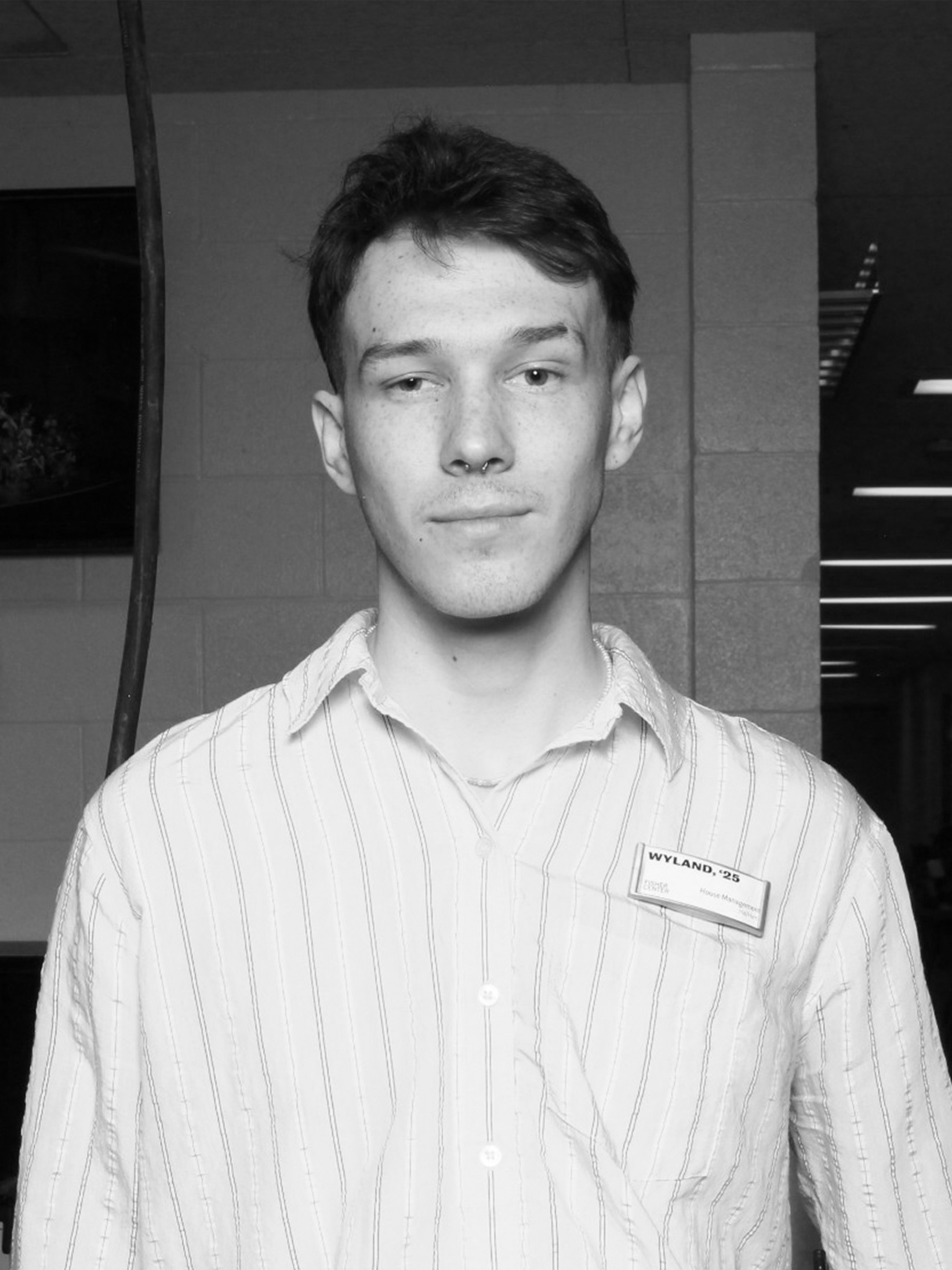 Wyland Stephenson
Wyland Stephenson
Wyland Stephenson is a composer, writer, and researcher whose work explores the intersection of politics, history, and performance. A graduate of Bard College, where he studied Music Composition and Politics, Stephenson’s creative and academic work alike are driven by questions of social identity, institutional memory, and the ways communities construct meaning through narrative. He is currently pursuing graduate studies in composition at the Peabody Institute, continuing a multidisciplinary practice that moves fluidly between concert music, musical theatre, opera, and political analysis.
As a composer, lyricist, and arranger, Stephenson has developed works spanning musical theatre, cabaret, and dramatic vocal music. His recent projects include arrangements for the Off-Broadway production From New York, You Don’t Get A Divorce (2026), as well as original theatrical and vocal works developed in collaboration with performers and writers across New York and Baltimore. His writing often combines heightened theatricality with psychologically and politically grounded storytelling, drawing influence from both contemporary opera and the American musical theatre tradition. Alongside collaborators including Tessa Barcelo, he has contributed to new theatrical works that blend experimental structure with accessible dramatic language. His projects frequently examine systems of power, cultural fragmentation, and the tension between personal aspiration and collective decline.
At the same time, Stephenson’s scholarly work in political science has focused on urban decline, institutional failure, and the historical consequences of economic disinvestment in American cities. His undergraduate thesis, Charm City to Harm City: The Decline of the City of Baltimore, examined why Baltimore failed to recover from deindustrialization in the same way as comparable American cities. The project analyzed the lasting effects of racialized housing policy, the political fragmentation created by the Baltimore City–County divide, and the structural obstacles that have shaped governance and economic development in the region. More broadly, his research interests include urban political economy, regional inequality, public memory, and the relationship between culture and civic identity.
Rather than treating artistic and political work as separate disciplines, Stephenson approaches both as forms of narrative inquiry. His compositions frequently engage with historical and political themes, while his academic work reflects a strong interest in rhetoric, symbolism, and the emotional dimensions of public life. Across mediums, he is interested in how individuals and institutions respond to instability, how mythologies of place are created and sustained, and how art can illuminate social contradictions that conventional discourse often obscures.
Originally from Baltimore, Stephenson continues to draw inspiration from the cultural and political landscapes of the Mid-Atlantic region. Whether writing for the stage, the concert hall, or the page, his work seeks to connect large structural questions with intimate human experience.
2025 Speakers
-
 Roger Berkowitz
Roger Berkowitz
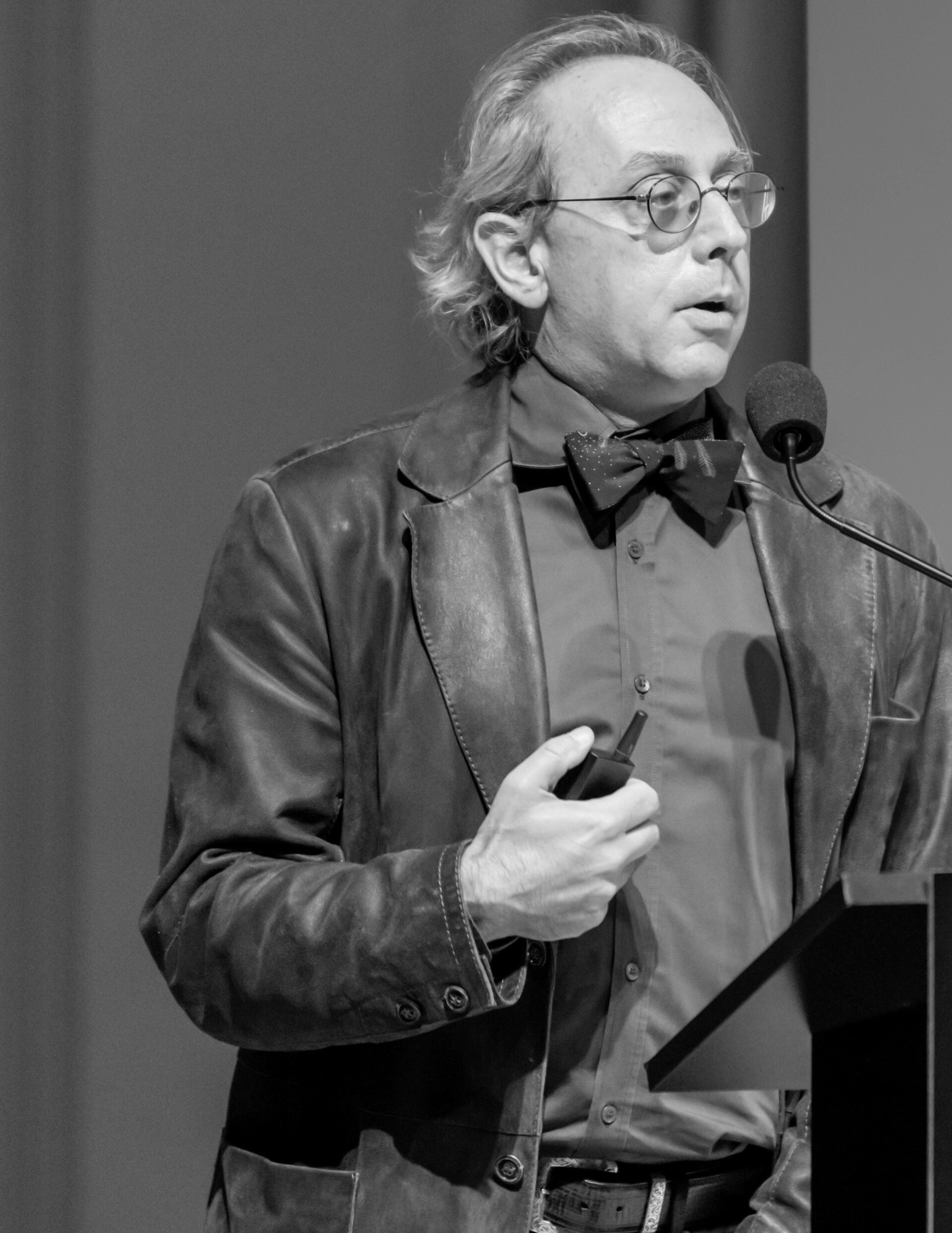
Roger Berkowitz is Founder and Academic Director of the Hannah Arendt Center for Politics and Humanities and Professor of Politics, Philosophy, and Human Rights at Bard College. He is the author of Perils of Invention: Lying, Technology and the Human Condition (Blackrose Books, 2022) and The Gift of Science: Leibniz and the Modern Legal Tradition (Harvard, 2005, Fordham, 2010; Chinese Law Press 2011). He is the editor of On Civil Disobedience: Henry David Thoreau and Hannah Arendt (Library of America, 2024). He hosts the podcast, "Reading Hannah Arendt with Roger Berkowitz."
Berkowitz is co-editor of Thinking in Dark Times: Hannah Arendt on Ethics and Politics (2009), The Intellectual Origins of the Global Financial Crisis (2012) and Artifacts of Thinking: Reading Hannah Arendt's Denktagebuch (2017). His writing has appeared in The New York Times, The American Interest, Bookforum, The Paris Review Online, and many other publications. He is the winner of the 2024 Compassion Prize given by Con-solatio, and the 2019 Hannah Arendt Prize for Political Thought from the Heinrich Böll Foundation in Bremen.
-
 Antonio Castillo
Antonio Castillo
Antonio Castillo, Bard MBA ’24, is the founder of Ceiba Coffee Solutions, a company that focuses on creating YouTube content that tells the stories of small coffee farmers and their sustainable farming practices. As a passionate coffee enthusiast, Antonio's journey began with a dream to open a coffee shop but soon evolved into a mission to understand the stark inequalities that exist in the coffee industry. Over the past three years, he has delved into the coffee value chain, uncovering how profits disproportionately benefit businesses in the Global North while small farmers in the Global South struggle with poverty and limited bargaining power.
Antonio's research has taken him to coffee-growing regions in Chiapas, Oaxaca, and El Salvador, where he has connected directly with small-scale farmers. His fieldwork has deepened his understanding of the importance of shade-grown coffee practices, environmental stewardship, and the social and economic challenges faced by small producers. Through his storytelling, Antonio offers a comprehensive view of the persistent inequities within the coffee commodity value chain. In his TEDx Talk, Antonio aims to shed light on the structural issues in the global coffee economy and critically examine market-based solutions that often fall short of driving meaningful change. He seeks to provide a clear perspective on why these power imbalances endure and how they can be addressed. Through his advocacy, Antonio hopes to build bridges that connect all of us to seek for effective reforms, empowering producers and ensuring a fairer distribution of value throughout the coffee supply chain. -
 Ashley Eugley
Ashley Eugley
Ashley Eugley is a proponent of uniting science, policy, and collaboration to build climate resilience. Originally from a close-knit fishing community in coastal Maine, Ashley earned a BA in environmental and urban studies from Bard College in 2022. In 2022, Ashley was awarded a Watson Fellowship for her project “Community Science as Community Agency.” During her Watson Fellowship, Ashley spent a year solo-traveling across five continents to explore how community-based science may be leveraged to monitor the impacts of climate change, combat environmental injustice, enhance community resilience, and bolster agency. Upon her return to the US, she supported mid-coast Maine communities by devising climate adaptation and resilience strategies. Ashley is currently a graduate student in Environmental Management at the Yale School of the Environment.
-
 Ifigeneia Gianne
Ifigeneia Gianne
Ifigeneia Gianne, born and raised in Athens, Greece, is a rising senior at Bard College majoring in anthropology and theater. She is the co-founder of Creative Play, a project that received the Davis Projects for Peace Award, which brought storytelling workshops to refugee communities in Malaysia through music, theater, and podcasting. Alongside her work with Creative Play, Ifigeneia collaborates with the Burmese Rohingya Community of Wisconsin, further exploring the struggles faced by refugees through resettlement, which is also the focus of her senior thesis in Anthropology.
A passionate theater maker, Ifigeneia has directed Blood Wedding by Federico García Lorca, Waiting for Godot by Samuel Beckett, and co-directed and acted in The Ant Play, which she wrote herself. She was named the Stephen P. Snyder '62 Scholar for the 2024-2025 academic year and is committed to exploring the intersection of art and social studies, particularly through the lenses of activism and volunteering.
-
 TJ Kostecky
TJ Kostecky
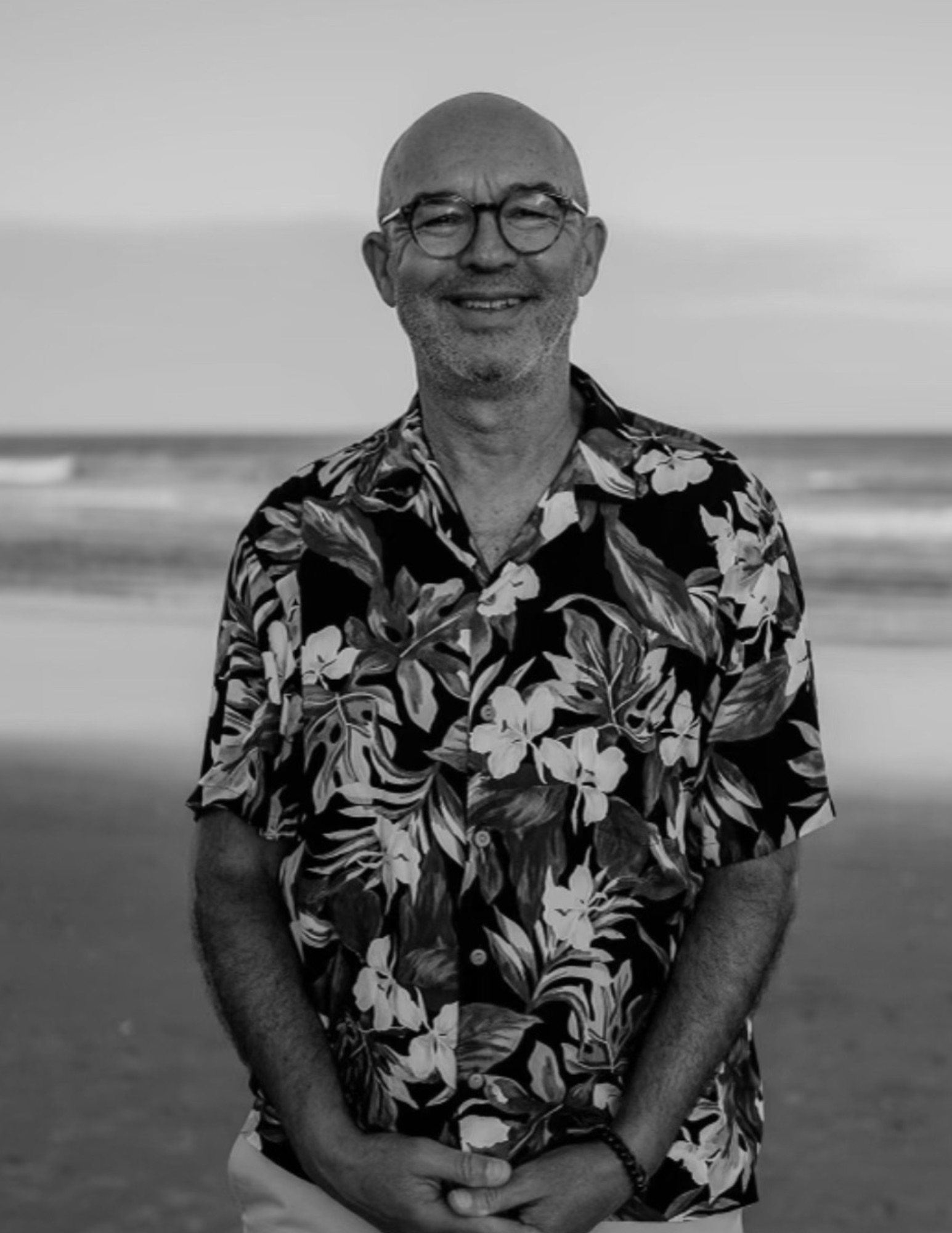
TJ Kostecky is the lead innovator of Vision Training, a leadership development program that empowers individuals to discover their full potential and form meaningful connections through subtle shifts in perspective. His academic career, which spans three decades and six universities, has seen him in diverse roles such as a coach, athletic director, professor, and entrepreneur, each contributing to his unique perspective on leadership. TJ published his self-help book Eyes Up! in 2024. He is currently the Head Men’s Soccer Coach and Co-founder of the Bard Leadership program at Bard College. In 2020, he was inducted into the Ukrainian Sports Hall of Fame. TJ resides in Tivoli, NY, where he enjoys longboarding through the village streets, hiking the Catskill Mountains, and engaging everyone he meets in conversation. -
 Richard Lopez
Richard Lopez
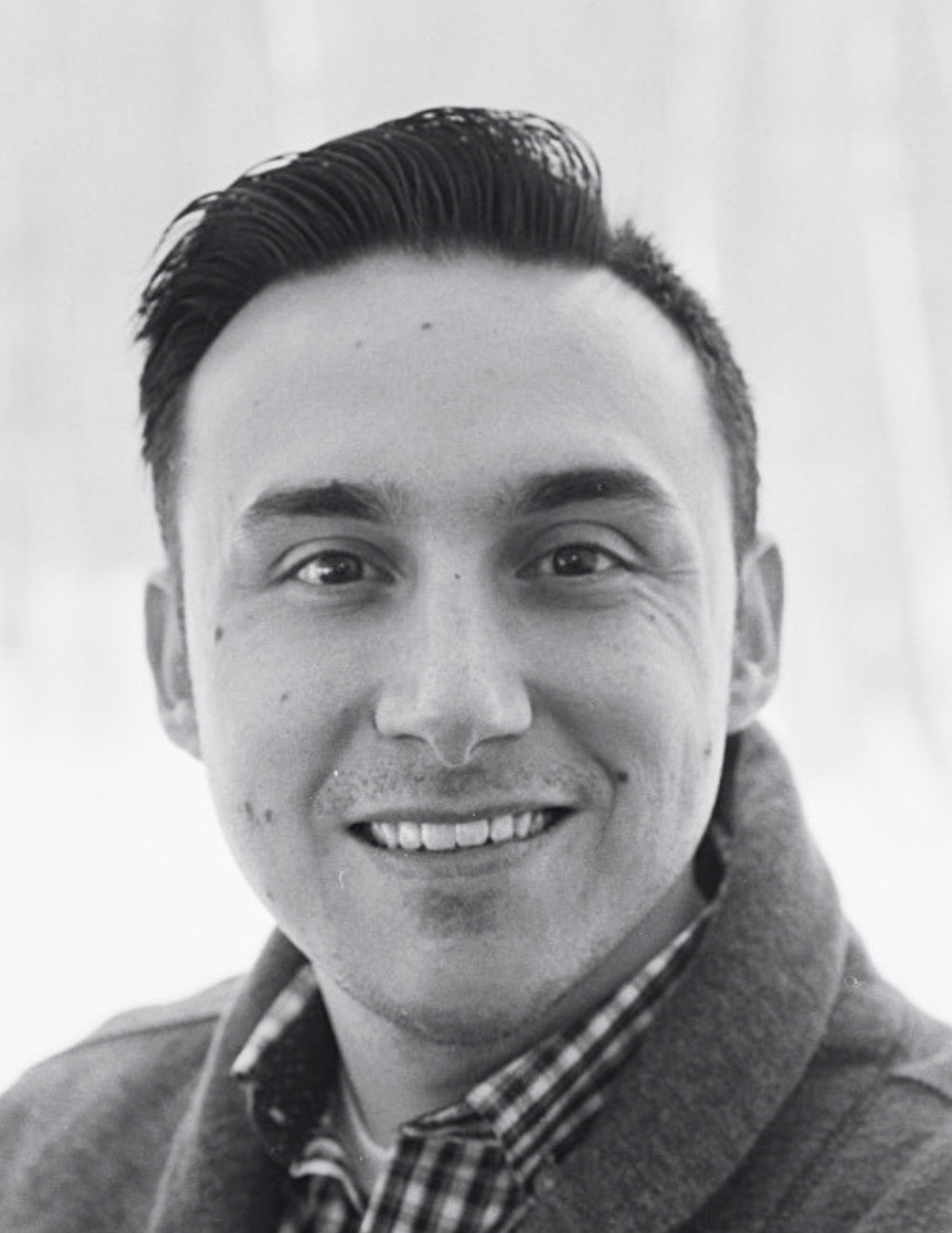
Richard Lopez received his PhD in psychological and brain sciences from Dartmouth College. He was an assistant professor of psychology at Bard for three years and now teaches and conducts research at Worcester Polytechnic Institute in Worcester, Massachusetts. Dr. Lopez is trained in social neuroscience, a newer field of neuroscience that examines links between the mind, brain, and social behaviors. Recently, Dr. Lopez and his students have been studying how young people experience and regulate their emotions in online settings, and how some individuals may be at higher risk for developing anxiety and depression based on how they use social media. His talk at TEDx Bard 2025 will focus on how we can reimagine social media platforms to promote digital wellness and nurture our shared humanity.
-
 Joseph Luzzi
Joseph Luzzi
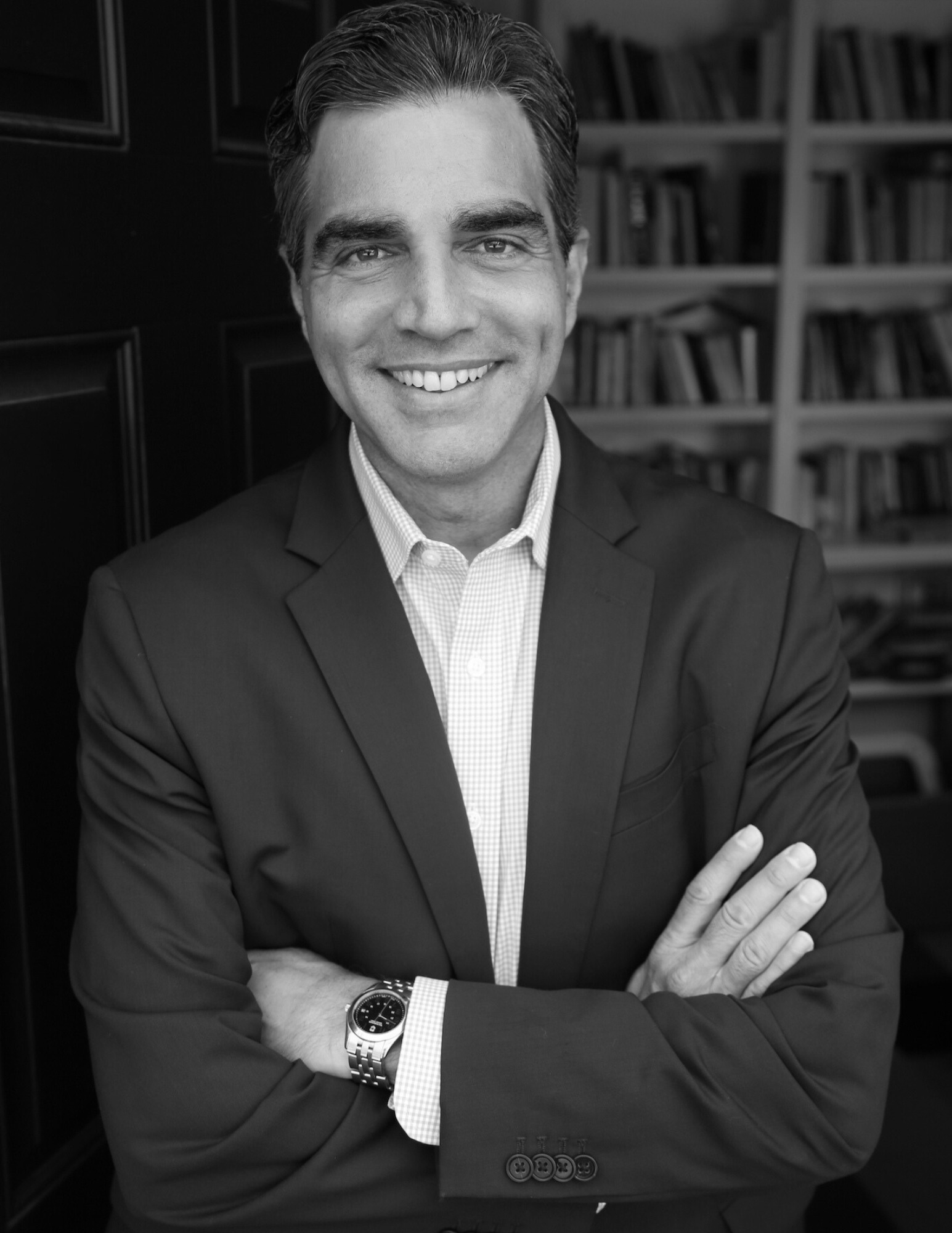
Joseph Luzzi received his PhD from Yale University and is the Asher B. Edelman Professor of Literature at Bard College, where he also teaches courses on film and Italian Studies. He is the author of five books, including his most recent work, Botticelli’s Secret: The Lost Drawings and the Rediscovery of the Renaissance (Norton, 2022), a New Yorker Best Book of 2022 selection that was shortlisted for the Phi Beta Kappa Ralph Waldo Emerson Award. His other books include Romantic Europe and the Ghost of Italy (Yale University Press, 2008), which received the MLA’s Scaglione Prize for Italian Studies, and A Cinema of Poetry: Aesthetics of the Italian Art Film (Johns Hopkins University Press, 2014), a finalist for the international prize “The Bridge Book” Award. Joseph’s honors include a Wallace Fellowship from Villa I Tatti, the Harvard Center for Italian Renaissance Studies, a National Endowment for the Humanities Public Scholars Award, and fellowships from the National Humanities Center and Yale’s Whitney Humanities Center. The first American-born child in his Italian immigrant family, Joseph was named Cittadino Onorario/Honorary Citizen of Acri, Calabria, in 2017. A widely sought after speaker, Joseph has presented worldwide on literature, art, film, and the power of the humanities.
-
 Rolena Richardson
Rolena Richardson
Rolena Richardson (she/her) is an artist, designer, and nature advocate originally from the Rocky Mountains of Colorado, now residing in the Finger Lakes region of New York, on Haudenosaunee land. Since 2020, Rolena has been exploring and practicing intentional circular living while advocating for slow and empathetic consumerism, a philosophy that promotes mindful consumption by prioritizing sustainability, quality, and human connection over low cost and convenience. Her dedication to these principles earned her a place in the Start.coop Business Incubator for Rural Entrepreneurs, where she deepened her focus on developing a cooperative business model that empowers indigenous artisans in the US to achieve entrepreneurial success in the digital economy. Drawing from her experiences, Rolena will highlight the importance of cultivating meaningful connections with the land and the artisans who create our belongings. She aims to inspire the audience to reflect on how they can build cultural bridges and embrace sustainable lifestyles that resist the pressures of mass-market capitalism, while enriching our collective humanity.
Rolena holds a BS in applied economics and management from Cornell University and an MBA in Sustainability from Bard College. She is a dedicated volunteer for the Ganondagan White Corn Project, contributing to food sovereignty efforts for indigenous communities in Western New York, and currently serves as a committee chair on the Bard MBA Alumni Board.
-
 Zarlasht Sarmast
Zarlasht Sarmast
Zarlasht Sarmast completed her undergraduate degree at the American University of Central Asia in the Department of International and Comparative Politics in 2020. While studying at AUCA, Zar worked for Deutsche Gesellschaft für Internationale Zusammenarbeit GmbH (GIZ) in Bishkek as a communications specialist. Previously, Zar served as spokesperson for the International Committee of the Red Cross in Afghanistan. She also worked with United Nations Assistance Mission in Afghanistan (UNAMA) and was part of many different peace building projects.
Zar finished her first Master’s degree at the Organization for Security and Co-Operation in Europe (OSCE Academy), department of International Relations and Security. She recently finished her second Master’s at AUCA in the Department of Applied Psychology. She played an important role in the evacuation of Afghan students from AUCA and AUAF from Kabul to Bishkek, which inspired her to author her first photo story book, A Journey from Kabul to Bishkek, followed by a second titled Our Journey to Bard. She has spoken at the World Bank Spring Meetings on the importance of education for Afghan women. Currently, Zar works as the Business Manager for the Bard NYC program and she is the Program Coordinator of the Global Engagement Fellows at Bard's Center for Civic Engagement. -
 Raahim Waqas
Raahim Waqas
Raahim Waqas Khan is a sophomore studying political science and psychology at Bard College at Simon's Rock. Born and Raised in Lahore, Pakistan, Raahim is a member of the General Assembly of the Council for Equity and Inclusion at Bard College, as well as the student representative on the Academic Senate: Policy and Program committee. Raahim has an extensive background in debate, Model UN and student advocacy. His research interests lie in student movements and the anthropology of international conflicts. Raahim looks forward to bringing his experiences in student advocacy and community inclusion to bridge the gaps between generations and highlight the importance and effects of student led movements for the socioeconomic and political climate of the future.
2023 Speakers
-
 Stacy Burnett
Stacy Burnett
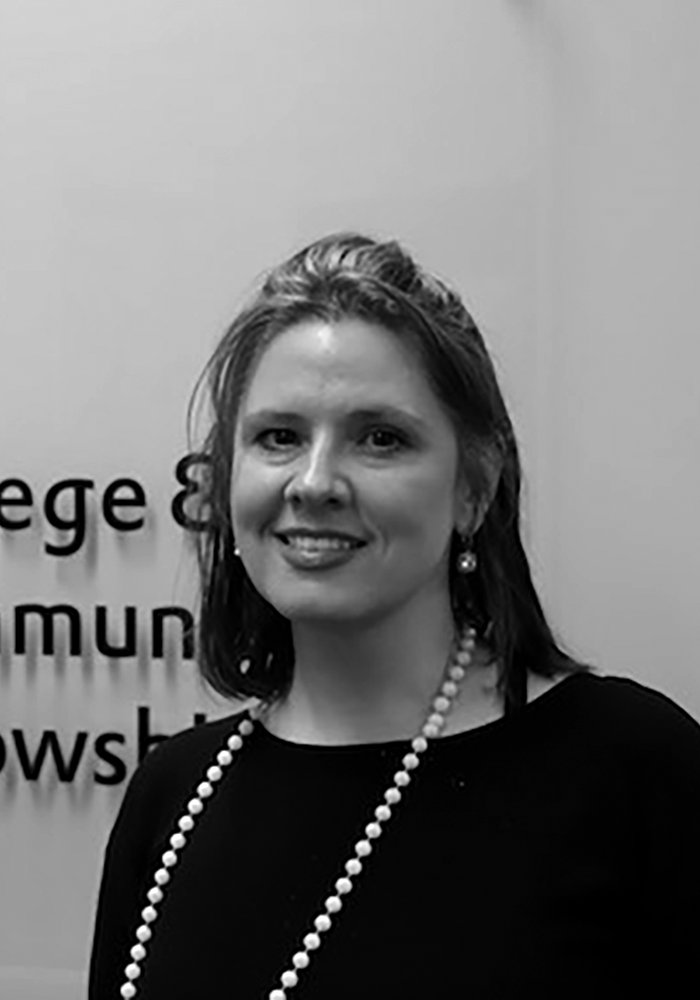
Stacy Burnett is a graduate from the Bard Graduate Center, Class of 2023, with an MBA in sustainability and nonprofit management. She manages JSTOR Access in Prison in North America and Australia, is a nationally recognized expert on prison technology and correctional food systems, and contributes to national policy decisions about the student debt of incarcerated borrowers. She began her education at Bard Prison Initiative, was a BPI Public Health Fellow ’21, and was responsible for the NYC multiagency task force overseeing the COVID-19 response in the public school system during the pandemic.
-
 Alejandro Crawford
Alejandro Crawford
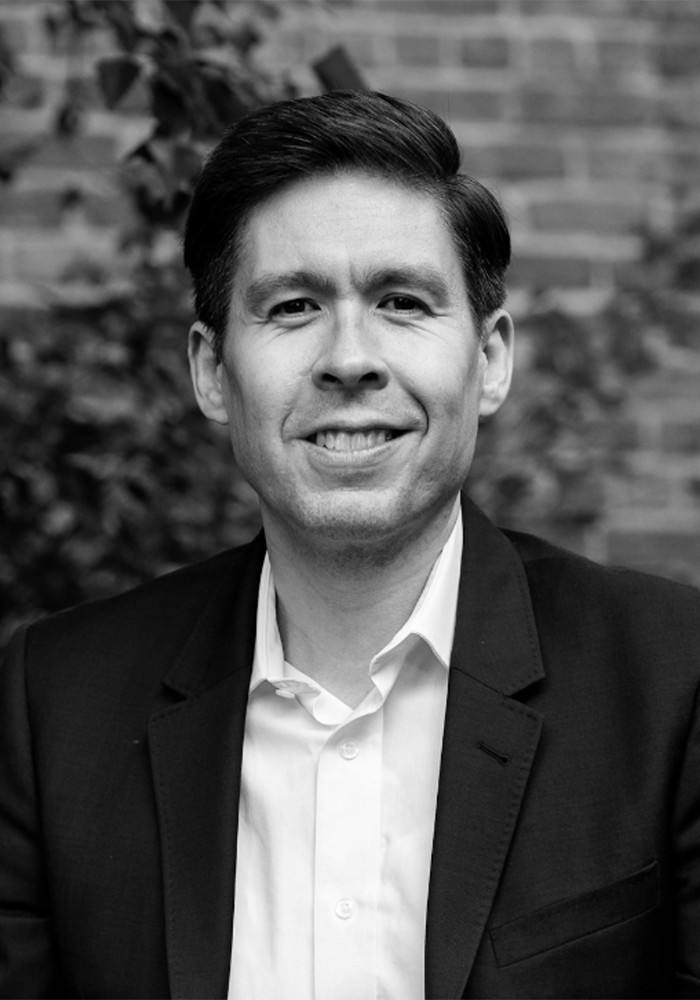
Alejandro Juárez Crawford serves as co-founder and CEO of RebelBase, professor of entrepreneurship at Bard College’s #1-rated MBA in Sustainability, and global faculty chair for OSUN’s Certificate in Sustainability and Social Enterprise. His work focuses on democratizing access to innovation ecosystems and equipping people around the world to build solutions to local and global problems. He will host the upcoming podcast series “What if Instead” on ITSP Magazine. He holds an MBA from the Tuck School of Business and a BA from Cornell University.
-
 Aleksandar Demetriades
Aleksandar Demetriades
Aleksandar “Aleks” Demetriades is a junior studying politics and public health at Bard College. Originally from Miami Beach, Florida, Aleks currently serves as senior communications intern for the Open Society University Civic Engagement Initiative. Additionally, Aleks cofounded and currently runs Beyond 30 Campus Road, an initiative geared towards creating spaces for students to meet with peers and grapple with local and international sociopolitical issues. Aleks’ previous experience includes working as the program head for Election@Bard and serving as administrative aide for Miami-Dade County School Board member Lucia Baez-Geller. Aleks is excited to bring his backgrounds in student mobilization and community engagement to the forefront as he speaks about the value of student labor organizing and Gen Z’s mobilization efforts.
-
 Anastasia Dzutstsati
Anastasia Dzutstsati
Anastasia Dzutstsati is a journalist, filmmaker, human rights activist, and a TSI Fellow (OSUN) pursuing an MA in Human Rights and the Arts at Bard College. Born in Moscow, Russia, Anastasia worked as a multimedia journalist at Current Time TV (Radio Free Europe/Radio Liberty). They fled Russia in the summer of 2021 due to death threats and increasing risks linked to their work. Anastasia’s research interests focus on the nature of Russian autocracy, the state of independent journalism, LGBTQ+ rights, drug policy in Russia, and the war in Ukraine. They graduated with a BA in journalism from the University of Kent in the United Kingdom and were a scholar of the New York Film Academy and Boris Nemtsov Foundation for Freedom.
-
 Ahed Festuk
Ahed Festuk
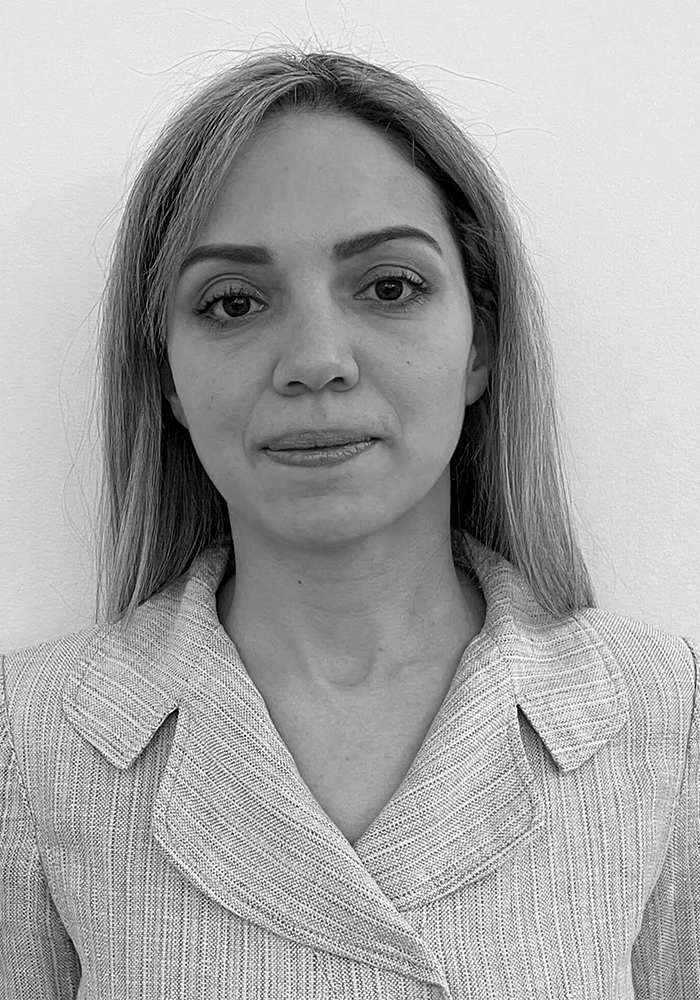
Ahed Festuk is an activist from Aleppo, Syria, and is recognized as one of the pioneering women demonstrators. In the midst of the escalating war, Ahed fearlessly served as a paramedic on the frontlines, selflessly attending to the injured and providing critical medical assistance. Her unwavering commitment to her community led her to remain in Aleppo until late November 2015, working tirelessly to alleviate the suffering caused by the Syrian regime and its allies, Russia and Iran.
Driven by her passion for humanitarianism, Ahed actively collaborated with local organizations, lending her support to their efforts in providing essential relief to those affected by the war. Additionally, Ahed undertook the vital responsibility of training responders in hostile environments and equipping them with first aid skills within Aleppo City. Her efforts empowered women to protect themselves and harness their own strength amidst challenging circumstances.
In 2016, Ahed applied for asylum in the United States, and her dedication to aiding displaced individuals remained steadfast. She joined the Multifaith Alliance in 2018, where she played a crucial role in facilitating the delivery of aid to those in need, particularly the Syrian population. Simultaneously, Ahed embarked on a transformative educational journey, pursuing her bachelor's degree as an adult returning student at Bard College, majoring in sociology and politics. Her acceptance into the Bard Baccalaureate program attests to her intellectual prowess and commitment to academic excellence.
Ahed's unusual life experiences and unyielding dedication to humanitarian causes have shaped her into an advocate for peace, justice, and social change. She encourages individuals to recognize their personal strengths and how to overcome challenging circumstances and transform the challenge to empower people to become fearless and active participants in making a difference. -
 Eban Goodstein
Eban Goodstein
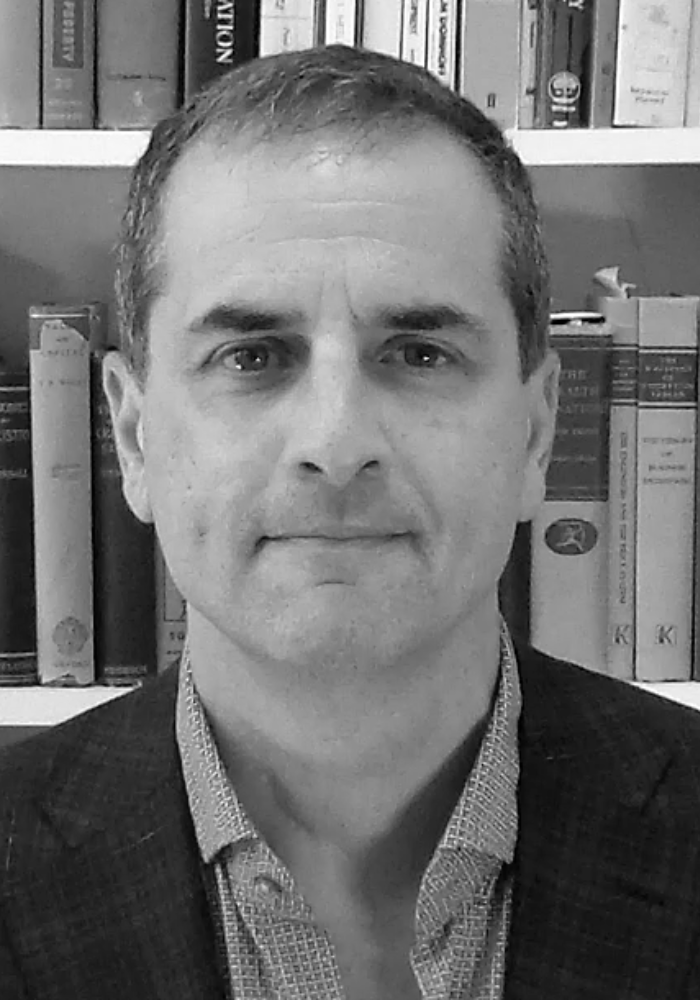
Eban Goodstein is vice president for environmental and social leadership at Bard College, where he directs the Graduate Programs in Sustainability (GPS). Degree options at GPS include the MBA in sustainability based in NYC, ranked the number one green MBA and among the top 10 MBAs in the US for nonprofit management for 2021–23 by the Princeton Review; MS degrees in environmental policy and in climate science and policy; and an MEd in environmental education.
Goodstein works to help young people build careers as change agents in these three key fields: changing minds (education); changing the rules (policy); and changing the game (sustainable business). Goodstein writes and speaks frequently about just solutions to climate change, arguing that regardless of our pathway, we all need to become “climate repair people”—some of us full-time, everyone part-time.
Professor Goodstein holds a PhD in economics from the University of Michigan, and a BA in geology from Williams College. He is the author of numerous articles and three books: Economics and the Environment, now in its ninth edition; Fighting for Love in the Century of Extinction: How Passion and Politics Can Stop Global Warming, and The Trade-off Myth: Fact and Fiction about Jobs and the Environment. He serves on the editorial board of Sustainability: The Journal of Record, and was a member of the board of directors of the Follett Corporation.
Goodstein has also coordinated global educational events and trainings around climate change, engaging thousands of colleges, universities, and K–12 schools in solutions-based dialogue. The most recent case: the WorldWide Climate and Justice Education Week set for April 2024. At Bard he also directs C2C Fellows, a network of young people who aspire to sustainability leadership in business, NGOs, and government. -
 Lauren E. Graham
Lauren E. Graham
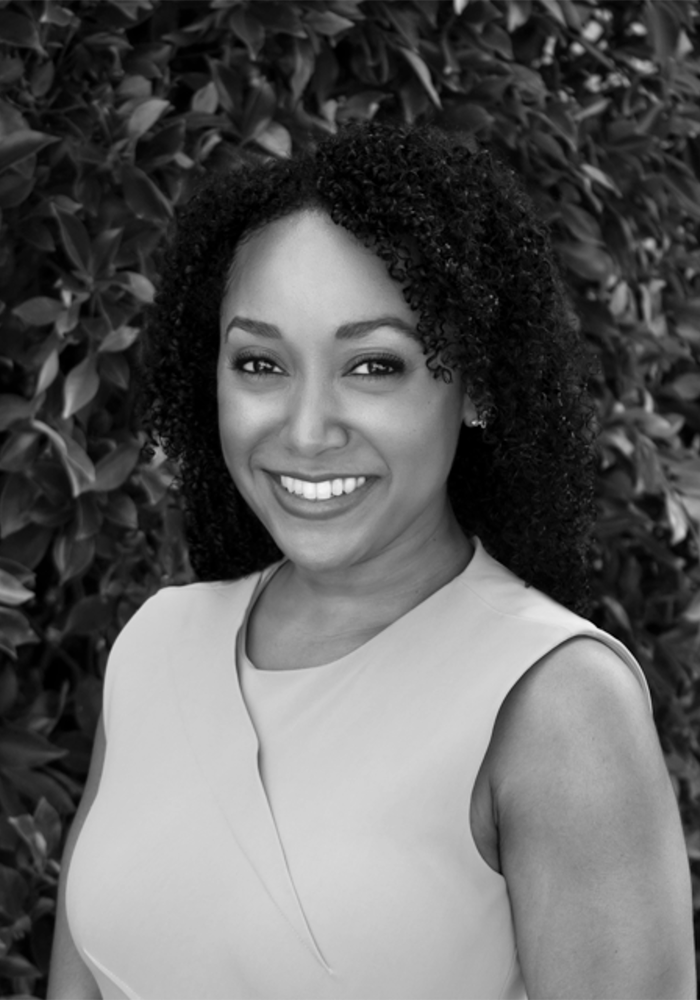
Lauren E. Graham is a social entrepreneur, environmentalist, and educator with an eclectic background in environment and sustainability, social innovation and entrepreneurship, and creative media (documentary film, music, games, and virtual reality) for public engagement.
Graham is currently the chief of staff at Hunger Free America, a NYC-based national antihunger advocacy and direct service nonprofit working to end domestic hunger. In this role, she supports the CEO with managing all aspects of the organization, providing leadership for daily operations, managing strategic planning and staff professional development, and overseeing hiring.
She is also the CEO of Velvet Frame, a social impact strategy and communications consultancy, founded in 2015. She works with nonprofits, startups, and other mission-driven organizations across the environmental-social impact spectrum on their capacity-building and change management challenges using an ecosystems approach.
Graham is a part-time adjunct professor teaching a rotation of undergraduate and graduate courses on nonprofit management, leadership, sustainability, and entrepreneurship at Bard College MBA in Sustainability, the University of Pennsylvania School of Social Policy & Practice, Baruch College-Zicklin School of Business at the City University of New York (CUNY), the Fashion Institute of Technology (FIT), and the Carbonauts.
Graham holds a bachelor’s degree in international relations and a master’s in sociology from Stanford University, a master’s in environmental management from Yale School of the Environment, and a master’s in nonprofit leadership from the University of Pennsylvania School of Social Policy & Practice. -
 Tatjana Myoko von Prittwitz und Gaffron
Tatjana Myoko von Prittwitz und Gaffron
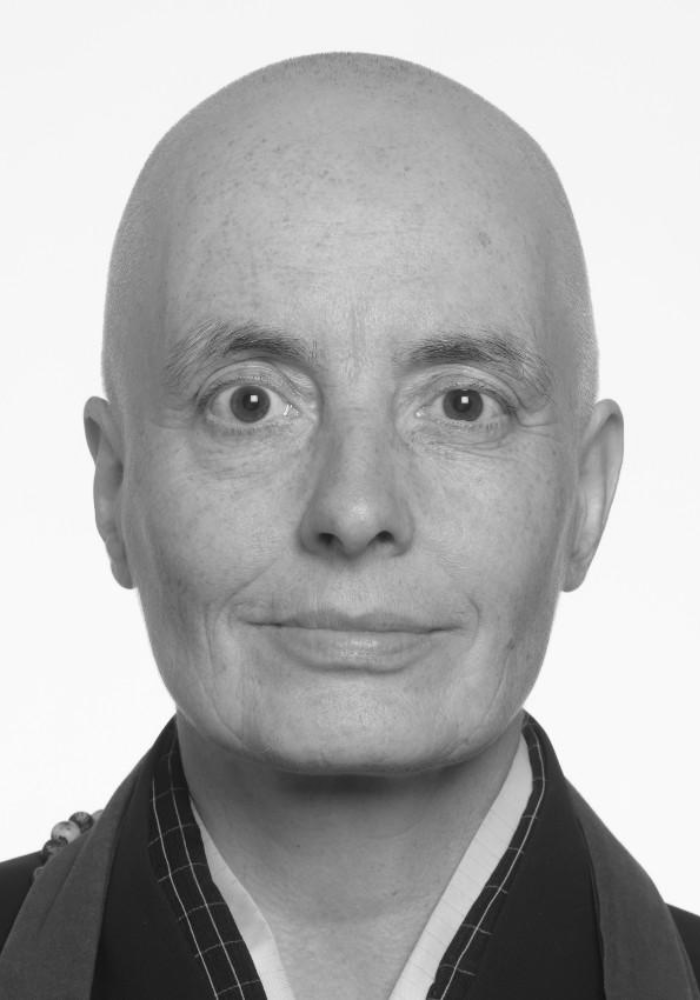
Tatjana Myoko von Prittwitz und Gaffron is an ordained Zen priest and professor for spiritual art at Bard College. Originally from Munich (Bavaria, Germany) she has been at Bard for 26 years where she founded the Bard Meditation Group in 2001. Her BA is in French literature on Charles Beaudelaire, her MA in curatorial studies and contemporary culture (CCS alumna, Class of 1999), and her PhD in comparative literature. She is also an interdisciplinary artist in the fields of singing, drawing (including Asian ink painting), crafts, and Japanese tea ceremony. Being on a spiritual quest, she has traveled extensively alone through countries such as Mongolia, Namibia, and the Amazon, seeking authenticity and oneness.
In her talk Tatjana Myoko will weave her studies of Zen Buddhism together with tales from her personal journey. As a teenager, although coming from a place of privilege, she struggled with depression and eating disorder. Her passionate search for happiness—supported by decades of therapy—was eventually met by the Buddhist teachings of liberation. After studying Zen as a lay practitioner for over 20 years, she took the monastic vows and completed a three year residence in a Soto Zen training monastery in Okayama, Japan. The motivation of sharing her story is rooted in the recognition that this path of transformation is open to everybody, all the time. The process takes courage and determination, but in fact the act of connection is not so difficult—just let go! -
 Hannah Park-Kaufmann
Hannah Park-Kaufmann
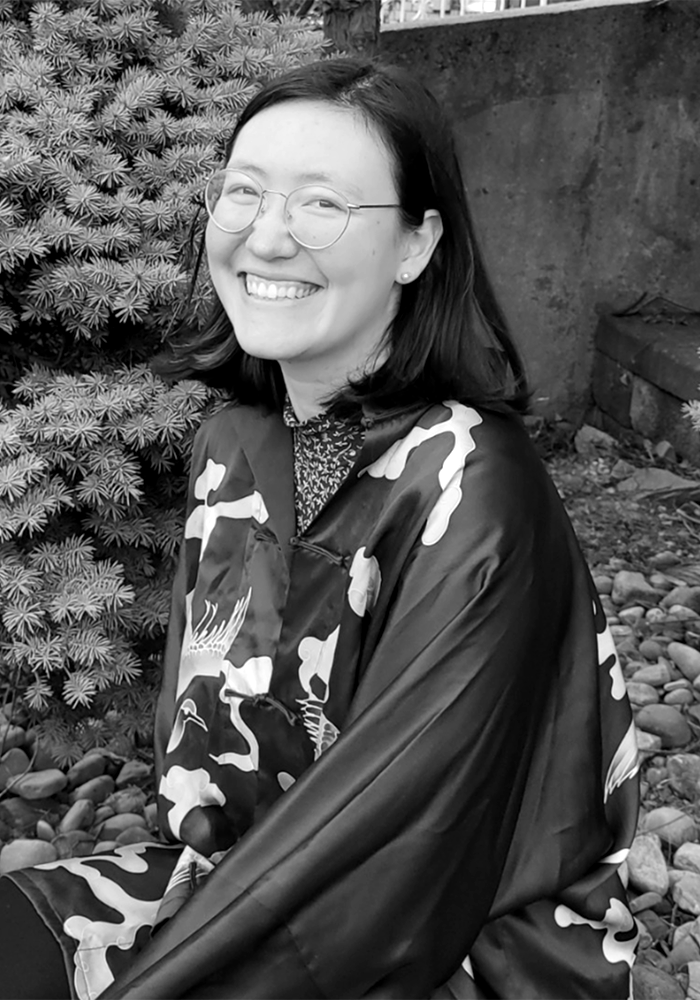
Hannah Park-Kaufmann is a senior studying mathematics and piano at Bard College and Conservatory, where she is also president of Bard's Association for Women in Mathematics (AWM) chapter. She is passionate about exploring the intersection of music and mathematics, striving to understand the physiological patterns that underlie peak human performance through what may at first glance appear an unlikely subject for mathematical analysis. Originally hailing from Austria and South Korea, Hannah came to the US driven by a deep curiosity and a desire to foster positive change in musician education and health. Drawing upon her own experiences and struggles through the career-crippling posture/movement problems she experienced in piano as a child, she dedicated her college years to exploring innovative pathways for harnessing technology in the study of artistic human motion. Hannah has had the privilege of working with a leading human movement research laboratory at MIT to conduct a study that uses state-of-the-art technology to generate the most precise and extensive rendering of piano playing in history. Her study broadly integrates methods from AI, physics, medical sciences, and mathematics with the traditional schools of pianist education. She is hoping to shed light on the importance of studying motion and patterns at the human scale, and—through harnessing powerful new technology—to delve into its transformative potential to drive meaningful change in a wide array of fields. Through her experiences, she has gained some insights into the hurdles, ethical questions, and opportunities that arise on the path of mixing analytical sciences with something so subjective as artistry.
-
 Jillian Reed
Jillian Reed
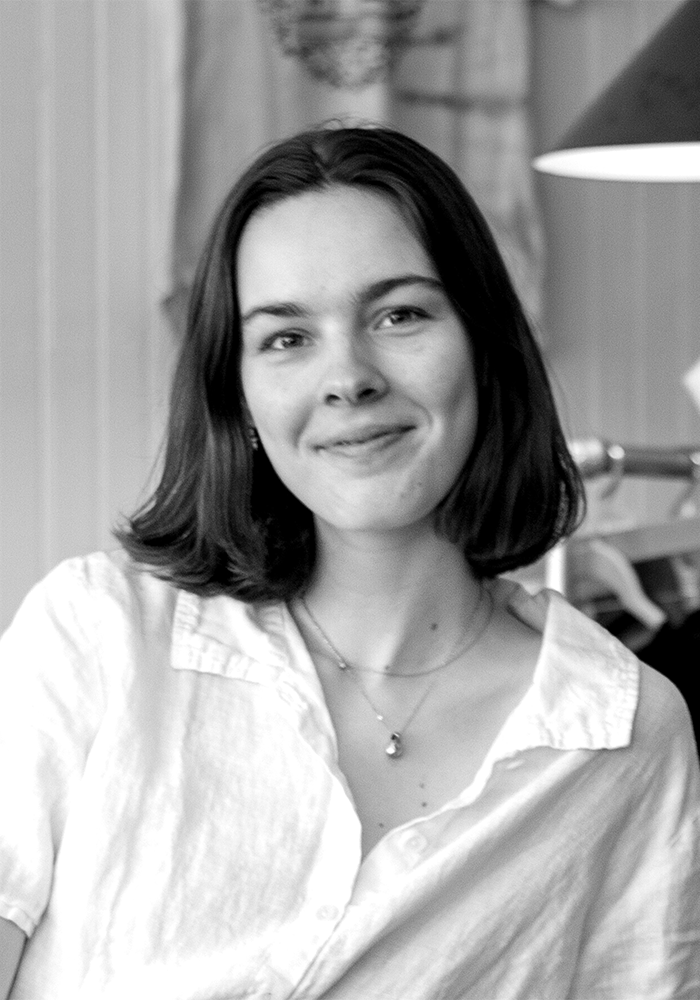
Before cofounding Thrift 2 Fight, Jillian Reed was always interested in exploring places where activism and creative expression intersect. Now, working daily with local activists and organizers she admires, and cultivating a welcoming thrift store complete with an abolitionist lending library, she is excited to be co-creating one of those places.
Jillian completed her bachelor of arts in flute performance and human rights at the Bard College. Her studies culminated in research about health and institutional ableism in the music world, which was published in Flutist Quarterly. Jillian performs flute and piccolo regularly with The Orchestra Now, and maintains a vibrant studio of flute students. -
 Michael Sadowski
Michael Sadowski
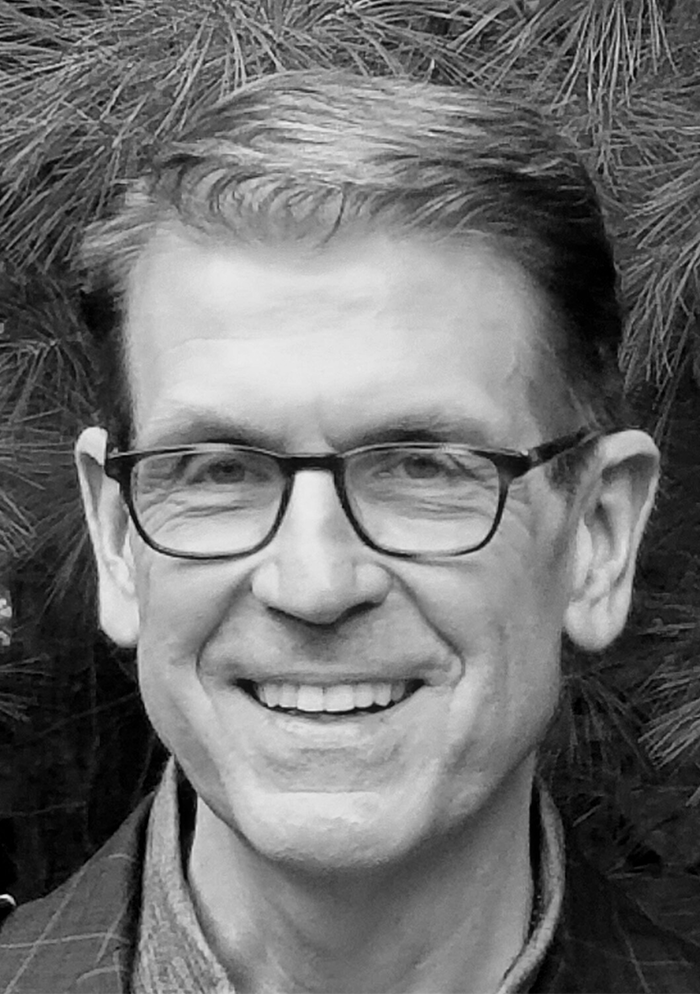
Michael Sadowski is an associate dean of the college at Bard College, where he teaches courses in youth identity development and LGBTQ+ issues in education. In addition to Bard, Michael has taught at the Harvard Graduate School of Education, where he completed his doctorate, and was a visiting professor at Stanford University in 2016–17.
Michael has published extensively on the issues affecting LGBTQ+ students, immigrant students, and adolescents more broadly. His 2016 book Safe Is Not Enough was featured by NPR and was cited by GLSEN founder Kevin Jennings as “the most important book written on LGBTQ issues in education in my lifetime.” In his TEDx talk, “Safe Is Still Not Enough,” Michael will discuss how educators, families, and communities can help LGBTQ+ youth thrive even amid the recent wave of oppressive state laws that threaten their education, their well-being, and their very identities.
Michael’s other books include In a Queer Voice: Journeys of Resilience from Adolescence to Adulthood (Temple University Press, 2013), based on a seven-year longitudinal interview study, Portraits of Promise: Voices of Successful Immigrant Students (Harvard Education Press, 2013), and the edited volume Adolescents at School (Harvard Education Press, 2020), now in its third edition and used in teacher education programs around the country and abroad.
In the early 2000s, Michael was editor of the Harvard Education Letter, for which he won a National Press Club Award. He is also a creative nonfiction writer. Michael’s memoir, Men I’ve Never Been, was shortlisted for the William Faulkner–William Wisdom Award for Nonfiction and was named one of the 30 Best Gay and Lesbian Books of All Time by Book Authority. -
 Joan Tower
Joan Tower
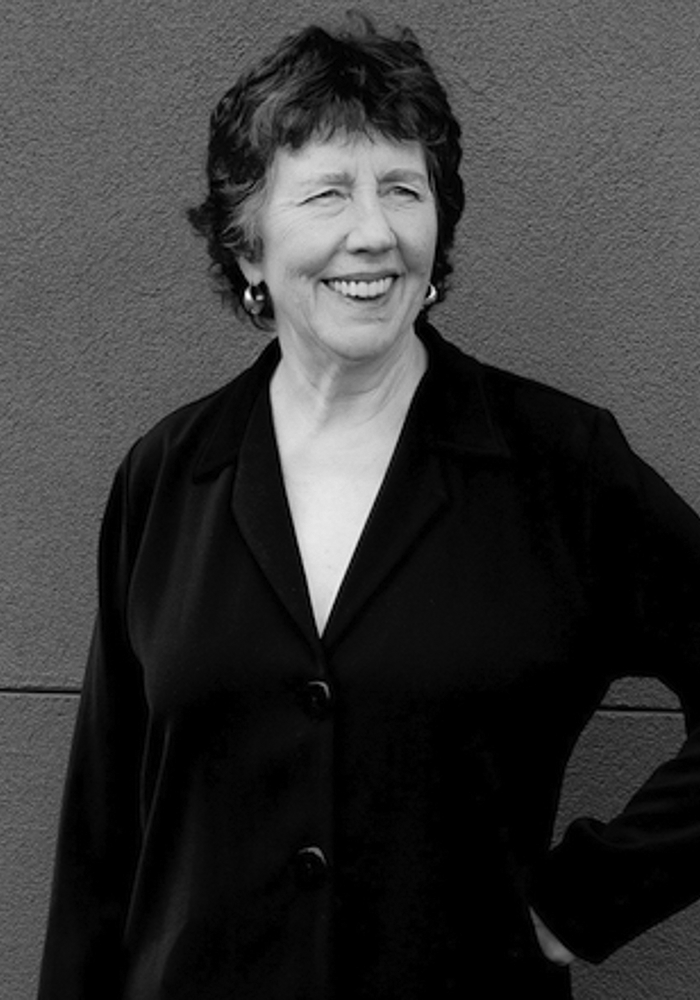
Joan Tower is widely regarded as one of the most important American composers living today. During a career spanning more than 60 years, she has made lasting contributions to musical life in the United States as a composer, performer, conductor, and educator. Her works have been commissioned by major ensembles, soloists, and orchestras, including the Emerson, Tokyo, and Muir quartets; soloists Alisa Weilerstein, Evelyn Glennie, Carol Wincenc, David Shifrin, Paul Neubauer, and John Browning; and the orchestras of Chicago, New York, St. Louis, Pittsburgh, Baltimore, Nashville, Albany, and Washington DC among others. Her 2021 commissioned premieres included the cello concerto A New Day and the orchestral work 1920/2019.
In 2020, Chamber Music America honored her with its Richard J. Bogomolny National Service Award; Musical America chose her to be its 2020 Composer of the Year; in 2019 the League of American Orchestras awarded her its highest honor, the Gold Baton. Tower is the first composer chosen for a Ford Made in America consortium commission of 65 orchestras. Leonard Slatkin and the Nashville Symphony recorded Made in America in 2006 (along with Tambor and Concerto for Orchestra). In 2008 the album collected three Grammy awards: Best Contemporary Classical Composition, Best Classical Album, and Best Orchestral Performance. Nashville’s latest all-Tower recording includes Stroke, which received a Grammy nomination for Best Contemporary Classical Composition.
In 1990 she became the first woman to win the prestigious Grawemeyer Award for Silver Ladders, a piece she wrote for the St. Louis Symphony where she was composer in residence from 1985–88. Other residencies with orchestras include a 10-year residency with the Orchestra of St. Luke's (1997–2007) and the Pittsburgh Symphony (2010–11). She was the Albany Symphony’s Mentor Composer partner in the 2013–14 season. Tower was cofounder and pianist for the Naumburg Award-winning Da Capo Chamber Players from 1970–85. She has received honorary doctorates from Smith College, the New England Conservatory, and Illinois State University. She is Asher B. Edelman Professor in the Arts at Bard College, where she has taught since 1972. -
 Masha Zabara
Masha Zabara
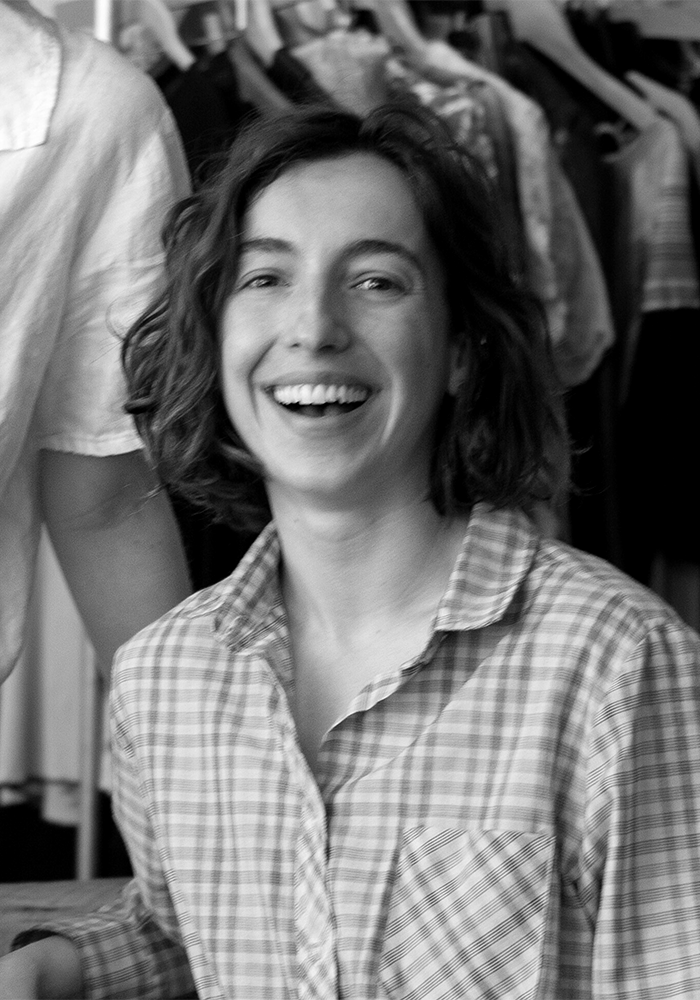
Masha Zabara grew up in Minsk, Belarus, playing cello, acting, writing, and occasionally skipping classes to attend protests against dictatorial oppression (where they would be caught repeatedly by their own father). After moving to the United States, they studied and worked at Bard College before cofounding Thrift 2 Fight.
Masha is passionate about finding ways to challenge oppressive systems through community engagement and sustainable action. With Thrift 2 Fight, they aim to support the global movement for climate justice, mutual aid, and the abolition of police and prisons. Ideally, Masha would also like to contribute to toppling any and all dictatorships in (and around) their home country.
